
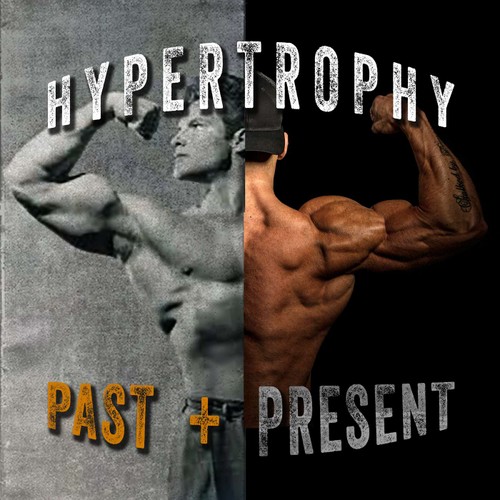
 Hypertrophy Past and Present
 029 Elevated MPS ≠ muscle growth
13 snips
Dec 7, 2025 Dive into the legacy of John Grimek, where his full-body gaining routine reveals the practicality of Silver Era training. Explore the concept of muscle protein synthesis (MPS) and its relationship to muscle growth, debunking misleading assumptions. Discover why elevated MPS doesn’t guarantee hypertrophy, especially in various scenarios like injuries and aerobic exercise. Learn how external factors like diet and stress impact muscle breakdown, shaping insights for natural athletes managing their training and recovery.
AI Snips
Chapters
Transcript
Episode notes
Grimek’s Full-Body Gaining Routine
- John Grimek paired heavy squats with light chest work and used descending rep schemes across exercises.
- He favored full-body sessions three times weekly with two sets per exercise and varied rep ranges for progression.
MPS Is Time- and Context-Dependent
- MPS measures the rate proteins are made inside muscle and often spikes in the first 12–24 hours after strength training.
- Outside that immediate post-workout window you must also measure muscle protein breakdown to infer net muscle change.
Elevated MPS Doesn’t Always Mean Growth
- There are clear scenarios where elevated MPS does not produce hypertrophy, so MPS ≠ guaranteed growth.
- Examples include non-exercise muscle damage, protein feeding alone, aerobic exercise damage, and stretch-mediated sarcomerogenesis.