

 The People's Pharmacy
 Show 1457: How to Strengthen Your Immune System for Cold and Flu Season

Boost Fever, Don't Suppress It
- Avoid taking fever-reducing drugs like aspirin, ibuprofen, naproxen, or acetaminophen during viral infections when possible.
- Use controlled heat (sauna, hot tub, hot towels) to raise body temperature and boost interferon production responsibly.
Hydrotherapy Protocol To Stimulate Immunity
- Try hydrotherapy: apply hot wet towels for ~20 minutes, then brief cold friction to the chest or feet to localize immune cells.
- Limit sessions to once or twice daily and avoid burns or overheating; monitor for dizziness from vasodilation.
Learning Hydrotherapy From Australian Practitioner
- Roger Schwelt recounts meeting Australian physiotherapist Bruce Thompson and learning 100-year hydrotherapy protocols.
- He describes hot fomentations followed by cold friction and historical use, including early fever therapies.
Influenza usually starts in November, and cases increase throughout the winter, not fading until March or so. This year’s flu season is especially severe. An awful lot of people are suffering with fever, cough, congestion, body aches, headaches and other symptoms of influenza. Of course, flu is not the only infection out there. Other viruses are also causing sniffles, coughs and pure misery. Is there any way to strengthen your immune system to be ready for cold and flu season?
At The People’s Pharmacy, we strive to bring you up to date, rigorously researched insights and conversations about health, medicine, wellness and health policies and health systems. While these conversations intend to offer insight and perspective, the content is provided solely for informational and educational purposes. Please consult your healthcare provider before making any changes to your medical care or treatment.
How You Can Listen:
You could listen through your local public radio station or get the live stream at 7 am EST on Saturday, Jan. 10, 2026, through your computer or smart phone (wunc.org). Here is a link so you can find which stations carry our broadcast. If you can’t listen to the broadcast, you may wish to hear the podcast later. You can subscribe through your favorite podcast provider, download the mp3 using the link at the bottom of the page, or listen to the stream on this post starting on Jan. 12, 2026.
How to Strengthen Your Immune System:
If you want to strengthen your immune system so it can fight off infections, the first rule is don’t get in its way! In today’s world, that is easier said than done. Drugstores are full of cold and flu remedies, and nearly all of those contain an ingredient designed to lower fevers. That is generally counterproductive. Fevers help the body in its battle against infection. In fact, you might want to induce a fever responsibly.
Using Heat to Fight Flu:
Numerous cultures have noted that people recover from respiratory infections like influenza more quickly if they are exposed to heat. They have developed myriad ways to accomplish this task. One that is accessible to most North Americans is hydrotherapy: application of heated, wet towels to the body for 20 minutes or so, followed by a brief exposure to cold such as a chilled-mitt rubdown. Take care not to burn the skin. Our guest, Dr. Roger Seheult, suggests that you can learn more about this approach from Bruce Thompson, an Australian physiotherapist whose website is https://www.traditionalhydrotherapy.com
If hot wet towels do not appeal, getting into a sauna or even a hot tub for a short session might help. Pay attention to any contraindications, though. Above all, don’t take medicines such as aspirin, ibuprofen, naproxen or acetaminophen. When they lower your fever, they are also reducing the effectiveness of interferon, which is one of the innate immune system’s first lines of defense against viral infection. The widespread use of aspirin during the 1918 flu may have contributed to the horrifying death toll.
Other Drugs That May Cause Trouble:
Fever is not the only consideration. Many people now take powerful medicines to suppress their immune systems. These treatments alleviate the symptoms of autoimmune conditions such as Crohn’s disease, ulcerative colitis, psoriasis, rheumatoid arthritis and eczema. Helpful as they are, though, they work in part by undermining the immune system. People on any of these meds are at higher risk for infection, and that is not good news during a bad flu season like this one. This might be a situation that calls for wearing an effective mask, such as an N95, when going out in public.
Strengthen Your Immune System with NEWSTART:
Paying attention to eight pillars of good health can help you strengthen your immune system. Dr. Seheult has offered a mnemonic he learned from a colleague, Dr. Neil Nedley of the Weimar Institute: NEWSTART. Let’s find out what it stands for.
Nutrition:
Packing your diet with vegetables, fruits, whole grains and minimally processed proteins is smart prevention to strengthen your immune system any time of year. If you come down with the flu, you might want to consider chicken soup loaded with garlic. Garlic might be a good preventive measure also, while hot chicken soup can temporarily ease congestion and other symptoms.
Nutritional supplements may also be worth consideration. Dr. Seheult cited a systematic review in the BMJ Global Health (Jan. 2021). The authors found that vitamin D modestly reduced the risk of acute respiratory infections and shortened the duration of symptoms. So did vitamin C. Zinc supplements, on the other hand, did not prevent infection but they significantly shortened the duration. Zinc is most effective taken as a lozenge that dissolves gradually in the mouth rather than swallowed at once in a tablet. Dr. Seheult also uses N-acetylcysteine (600 mg twice daily) during cold and flu season to help his immune system stay effective. It has been shown to reduce inflammation in lung infections (International Journal of Molecular Sciences, March 15, 2025). He is also a fan of topical eucalyptus, a compound found in Vicks VapoRub and certain other products. You can recognize it from the aroma.
Exercise:
E is for exercise. Regular physical activity is a critical pillar of good health. If you are suffering from an acute infection like flu, though, give your body a break for a bit. Exercising to exhaustion is not a winning strategy when you’re exhausted by flu before you even start.
Water:
Hydration is super important during influenza season. We’ve already described how to use water to raise the body temperature responsibly. That is one way to strengthen your immune system while you are fighting an infection. Drinking enough water when you have a fever is also crucial so that you don’t get dehydrated.
Sunlight:
Morning exposure to sunlight helps keep the immune system in tune. Ideally, we would all have bright days and dark nights. Living indoors with artificial lighting means few of us meet that ideal. Nonetheless, getting sun exposure as possible, even just face and hands in northern areas, can be helpful. Among other things, it helps regulate natural production of melatonin. Mitochondria exposed to sunlight, especially infrared lengths, make their own essential melatonin.
Temperance:
This is not a term we use much any more, though it was once quite popular. It simply means moderation; more explicitly, it urges refraining from alcohol, tobacco and other toxins. We have explored some common toxins in other shows.
Air:
Florence Nightingale insisted on fresh air in hospitals. We should be equally adamant about having fresh air in our homes. Adequate ventilation significantly cuts the risk of infection with flu. We wish everyone paid more attention to this pillar.
Rest:
Getting enough sleep is an essential step to strengthen your immune system. But rest implies more than enough sleep. It also means rest and recharging with a weekly reset. Practicing the sabbath, whether within a religious context or a secular one, is a sound idea for maintaining good mental and physical health.
Trust:
This final piece of the NEWSTART mnemonic refers to social connections. Do you have a person you can trust? Are you a person someone else can trust? Being engaged in a social network that supports you is as important as exercise and nutrition for keeping your immune system healthy.
This Week’s Guest:
Dr. Roger Seheult is an Associate Clinical Professor at the University of California, Riverside School of Medicine, and an Assistant Clinical Professor at the School of Medicine and Allied Health at Loma Linda University.
Dr. Seheult is quadruple board-certified in Internal Medicine, Pulmonary Diseases, Critical Care Medicine, and Sleep Medicine through the American Board of Internal Medicine. HIs current practice is in Beaumont, California where he is a critical care physician, pulmonologist, and sleep physician at Optum California.
He lectures routinely across the country at conferences and for medical, PA, and RT societies, is the director of a sleep lab, and is the Medical Director for the Crafton Hills College Respiratory Care Program.
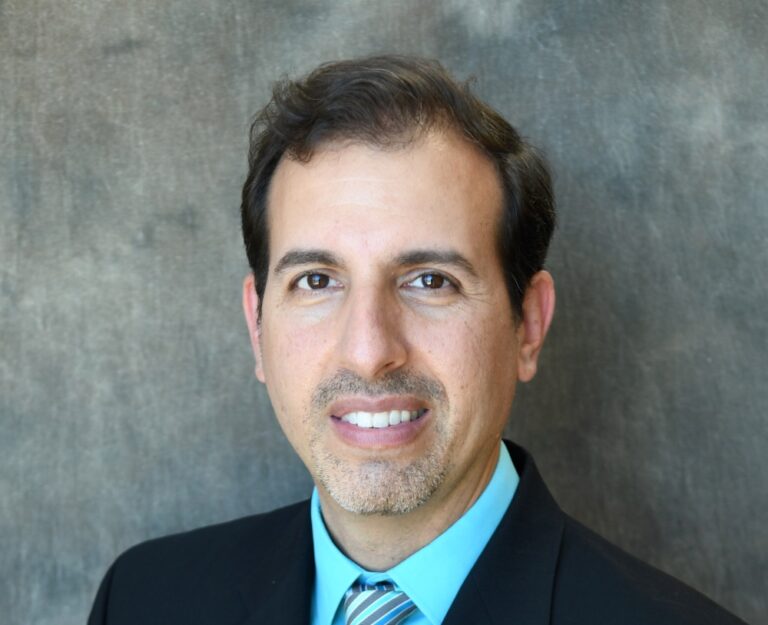
Roger Seheult, MD, MedCram, Loma Linda, UC-Riverside
Listen to the Podcast:
The podcast of this program will be available Monday, Jan. 12, 2026, after broadcast on Jan. 10. You can stream the show from this site and download the podcast for free. In this week’s episode, we discuss the research suggesting that using Astepro, an OTC nasal spray, can reduce the risk of contracting COVID-19. Dr. Seheult also shares his vision of the innate and adaptive immune system working together in harmony like an orchestra.
Download the mp3, or listen to the podcast on Apple Podcasts or Spotify.
Transcript of Show 1457:
A transcript of this show was created using automated speech-to-text software (AI-powered transcription), then carefully reviewed and edited for clarity. While we’ve done our best to ensure both readability and accuracy, please keep in mind that some mistakes may remain. If you have any questions regarding the content of this show, we encourage you to review the original audio recording. This transcript is copyrighted material, all rights reserved. No part of this transcript may be reproduced, distributed, or transmitted in any form without prior written permission.
Joe
00:00-00:01
I’m Joe Graedon.
Terry
00:02-00:06
And I’m Terry Graedon. Welcome to this podcast of The People’s Pharmacy.
Joe
00:06-00:27
You can find previous podcasts and more information on a range of health topics at peoplespharmacy.com.
The worst flu season in decades is hitting us hard. Is there anything we can do to protect ourselves or recover faster? This is The People’s Pharmacy with Terry and Joe Graedon.
Terry
00:34-00:45
We should have been expecting a bad flu season. After all, the southern hemisphere suffered a very severe influenza outbreak, and that was before the mutation subclade K appeared.
Joe
00:46-00:55
Our guest today is an expert in pulmonary and critical care medicine. He’s also studied natural approaches to enhance the immune system.
Terry
00:55-00:57
Do you have a home flu test handy?
Joe
00:57-01:05
Perhaps you should. Coming up on The People’s Pharmacy, how to strengthen your immune system for cold and flu season.
Terry
01:14-02:41
In The People’s Pharmacy Health Headlines: influenza has exploded in the United States. The CDC reports that the subclade K type A H3N2 influenza strain jumped dramatically between December 20th and December 27th, and that data is two weeks old.
All areas of the country are experiencing elevated flu activity, and it’s expected to continue for weeks. All of this was predictable because countries in the Southern Hemisphere experienced exactly the same pattern six months ago, before subclade K took hold. The CDC estimates that there have been at least 11 million illnesses, 120,000 hospitalizations, and 5,000 deaths from flu so far this season. That could make this year’s influenza outbreak the worst on record.
Over the Christmas holiday, 45 states reported high or very high flu activity, with cases not yet peaking. There have been more pediatric emergency department visits than last year. Japan declared an influenza epidemic in October, and many schools and daycare centers closed. No one in the U.S. government is calling this year’s flu season an epidemic, but it is looking serious. It remains to be seen whether the World Health Organization will declare influenza a pandemic.
Joe
02:42-03:28
Most people have put COVID out of mind now that flu is making headlines, but a new study points out that this virus still has the capacity to do a lot of damage. Between October 2022 and September 2023, there were a million hospitalizations and over 100,000 deaths in the U.S. attributed to COVID-19.
The following year, there were fewer hospitalizations but about the same number of deaths. People 65 and older accounted for almost half of the COVID-19 illnesses and 80 percent of the deaths. Currently, the wastewater scan data suggests that SARS-CoV-2 is at high levels in many parts of the country and is on an upward trend.
Terry
03:29-04:24
This week, the CDC updated its vaccine recommendations for babies and children. Instead of 17 infections, new guidelines target only 11. That means RSV, rotavirus, meningitis, influenza, and hepatitis A and B vaccinations will only be recommended for children at high risk.
Secretary of Health Robert F. Kennedy Jr. said that this new schedule will strengthen transparency and inform consent and rebuild trust in public health. Dr. Tom Frieden, a former CDC director, countered that this is a giant step backward that jeopardizes children’s health and safety. According to Dr. Mehmet Oz, director of the Centers for Medicare and Medicaid Services, all vaccines currently recommended by the CDC will remain covered by insurance without cost sharing.
Joe
04:24-05:15
On December 22nd, the FDA approved an oral form of the most popular weight loss medication, Wegovy, known by the generic name semaglutide. The company, Novo Nordisk, says that the pills are already available and that patients will be paying less for them than for semaglutide injections.
The estimate is that most people will be able to get the pill for about $5 a day. More than 70,000 pharmacies, such as Costco and CVS, are already stocked with the starting dose. Having the medication available in pill form will be appealing to many people who are squeamish about needles. The pill is a bit demanding, though. It must be taken on an empty stomach at least half an hour before eating or drinking anything else. Side effects include nausea, vomiting, and diarrhea.
Terry
05:16-06:17
A study recently published in JAMA Cardiology reports that semaglutide can reduce the likelihood of hospitalization in patients who are at high risk of cardiovascular events. More than 17,000 participants were randomized to receive semaglutide injections or placebo shots.
They were followed for more than three years. During that time, people on semaglutide were a little less likely to be hospitalized and spent fewer days in the hospital. The authors conclude that treatment with once-weekly semaglutide was associated with significant reductions in hospital admissions and overall time spent in hospital.
And that’s the health news from the People’s Pharmacy this week.
Welcome to The People’s Pharmacy. I’m Terry Graedon.
Joe
06:17-06:28
And I’m Joe Graedon. A few weeks ago, we interviewed Dr. Roger Seheult about the upcoming cold and flu season. That was before influenza really took off.
Terry
06:28-06:48
Just this week, the CDC is reporting that the U.S. is experiencing the highest rate of respiratory illnesses since the 1997-98 flu season. Dr. Caitlin Rivers, an epidemiologist at Johns Hopkins Center for Health Security, says, ‘It’s the worst we’ve had in at least 20 years.’
Joe
06:48-07:32
What can you do to protect yourself and your family in a bad flu season? To help us learn how to strengthen our immune system, we turn to Dr. Roger Seheult. He’s an associate clinical professor at the University of California Riverside School of Medicine and an assistant clinical professor at the School of Medicine and Allied Health at Loma Linda University.
Dr. Seheult is quadruple board certified in internal medicine, pulmonary diseases, critical care medicine, and sleep medicine through the American Board of Internal Medicine. His current practice is in Beaumont, California, where he’s a critical care physician, pulmonologist, and sleep physician at Optum California.
Terry
07:34-07:37
Welcome back to the People’s Pharmacy, Dr. Roger Seheult.
Dr. Roger Seheult
07:39-07:40
It’s good to be back. Thanks.
Joe
07:40-08:07
Dr. Seheult, we’ve been following influenza for decades, and we always look to the Southern Hemisphere, Australia, New Zealand, Chile, South Africa, and they had a really rough flu season this past year. They’re six months ahead of us. What do you think we’re in for with this new subclade K influenza strain?
Dr. Roger Seheult
08:08-08:54
Yeah, it could be something that is certainly something to be concerned about. That’s the way it always sort of happens every year. We try to anticipate the strains so we can have the appropriate flu vaccine, etc. But, you know, it really needs to be seen. We need to see what’s actually happening.
I have actually seen already here in December when we’re recording this, some strains of the influenza virus. We usually group them into either A or B, and this is an A, and that’s about as far as we go. So I’m not sure exactly which clade we have right now as it’s starting to tick up, but it’s going to be interesting here probably in the next month or so what we’re going to see.
Joe
08:54-08:57
When you say here, where is here?
Dr. Roger Seheult
08:57-09:03
Ah, here in the Northern Hemisphere, in the United States, and for me particularly in Southern California.
Terry
09:05-09:29
Now, what we’re interested in finding out from you today, Dr. Seheult, is what we can all do to try to help stay healthy, even though there may be an influenza season on. And it might be a bad influenza season. I’m assuming that most of us who were going to get flu shots should have done so already.
Dr. Roger Seheult
09:30-09:32
Yes, yeah. Starting in October.
Terry
09:33-09:51
And I would like to ask, are there medications that we might be taking that might be counterproductive that should make us even more careful about washing our hands and whatever else we need to be doing to try to keep from getting flu?
Joe
09:52-10:09
Well, it just seems like all of the medicines that are available over the counter contain some kind of fever reducer, aspirin, acetaminophen, ibuprofen, naproxen. And I seem to recall you saying that that might be counterproductive.
Dr. Roger Seheult
10:10-11:18
Good idea. Good thoughts. Yeah. So when you are infected with influenza in this specific case or any kind of virus, the part of your immune system which immediately gets into gear is the innate immune system. And that is the part of the immune system which is responsible for a fever. It’s responsible for the secretion of interferon, which does exactly what it says it does, which is to interfere with that infection and to basically subdue it and to reduce it as much as possible.
Now, when we’re talking about influenza, there is a number of studies which have shown that, the addition of steroids or immunosuppressants can actually prolong that infection. And there is some data that suppressing fevers can prolong infections and cause them to get worse. And there’s also other data that shows that not treating a fever or actually inducing a fever can actually be very productive if it’s done responsibly in a way that heightens or enhances secretion of interferon.
Terry
11:18-11:25
Tell us a little bit more about that. How would you induce a fever and particularly, how would you do it responsibly?
Dr. Roger Seheult
11:25-13:01
Yeah, so there is a little bit of a risk when you increase someone’s fever, especially if they have a tendency to have seizures or their heart rate increases. But generally, the way that we have to increase someone’s body temperature is through the transmittance of heat. And the substance that we use every day that actually has a very high specific heat is water. So water is able to transmit heat to the body and actually heat up the body in a very productive way.
There was a recent study that compared infrared sauna to dry sauna, like a Finnish style sauna, to a hot tub. And the hot tub had the best efficacy because obviously you’re completely submerged in water. You have to be careful because water can cause vasodilation, heat can cause vasodilation, which is basically where the blood vessels enlarge. And if you are in any way dehydrated or even not, you can actually get dizzy when you stand up and you have to be very careful about that.
But if someone is there, especially if you’re in a body of water watching you, checking the temperature and elevating the temperature up, actually not very high, but just up to the point where we call it a fever, that can actually have a tremendous impact on the secretion of interferon. In a couple of studies, it actually increased it tenfold.
And if you have an infection and you want to increase interferon, that’s one of the best ways to do it. And we know that this is important because there are a number of viruses which specifically, like SARS-CoV-2, specifically inhibit the body’s ability to make interferon.
Terry
13:02-13:26
Not everybody has access to a sauna or a hot tub, but everybody, almost everybody, has access to a bathtub or possibly a shower if they don’t have a bathtub. So if you start to feel like maybe, maybe you might be coming down with something, is it a good idea to take a hot bath before you jump into bed and bring the covers up?
Dr. Roger Seheult
13:27-16:11
Yes. And actually, I recently met probably one of the world’s experts on this type of therapy. His name is Bruce Thompson. And I met him in Australia just a couple of weeks ago. And he went over exactly his protocols. He actually even has a website that people are interested in called traditionalhydrotherapy.com or maybe it’s.org. You’ll put in either one of those where he literally has protocols that have been developed over 100 years on how this used to go down.
Typically, you know, before not everybody had a bathtub. Not everybody had all of these accoutrements that we have. So the way that this used to happen is they would actually heat up towels that were drenched in water, and they would apply these towels carefully over the patient’s body that had a layer of dry cloth already, so it wouldn’t burn them. But basically, they would apply this almost like a blanket. It was called a “hot fomentation” over the patients to heat up their body.
And they would know that they were doing this effectively when they started to see beads of sweat start to form on their forehead. And they would feel a little bit uncomfortable. They would do this for about 20 minutes, and then they would end with a very short, brief, cold, ice cold, what was known as [mitten] friction on the chest or on the feet. The feet are important because this is where temperature regulation is not very well controlled and you can get cold into the system.
The purpose of all of this is this. Basically, the hot temperature, the increasing the temperature of the body is going to, uh… cause [an] increase of interferon, as we’ve already suggested. It’s going to set in place a number of mechanisms that we now know occur in the [JAK-STAT] system, which is basically a system which regulates interferon. And then at the very end of that, the cold is going to cause vasoconstriction peripherally in the body, which is going to lock that heat in and also cause de-margination or basically localization of these white blood cells that are anchored on the periphery of the blood vessel. So they go into circulation and they do what those white blood cells are supposed to do. So one or two of these treatments a day is what they used to do a hundred years ago.
And actually there’s some very interesting data, very interesting stories about people doing these things. In fact, I’ll just slip this in there, that a Nobel prize to Julius Wagner-Jauregg was given in 1927 for using this technique to actually cure neurosyphilis in his patients by using, actually, in this case, malaria to cause the fevers and then treating the malaria.
Joe
16:11-16:54
I think it was called malaria therapy. But, you know, Dr. Seheult, what I find so fascinating, you’re describing what grandmothers have done for generations, you know, sweat out the fever by literally getting under the covers and just getting really, really warm.
And if I’m not mistaken, people in Finland have been using sauna baths and then hopping into cold water right afterwards. So it sounds like we’re sort of relearning what people have known for centuries. And here we are in modern medicine is saying, no, no, no, no. Take your ibuprofen, take your acetaminophen and lower your fever, which is kind of counterproductive.
Dr. Roger Seheult
16:55-17:23
You know, it’s interesting. It’s not only just like Finland, it’s multiple cultures which really have not communicated with themselves for probably hundreds of years as far as we know. I’ve talked to people in Asia. I’ve talked to people in Africa. I’ve talked to people in the Middle East. And obviously, we just discussed people in Northern Europe. They all seem to have very similar practices. But of course, they’re utilizing things or tools in their area that they have access to to do this type of work.
Joe
17:23-17:33
Well, we’re going to take a short break, but when we come back, I want to talk about one of your colleagues. Terry, he has an acronym.
Terry
17:33-17:34
NEW START.
Joe
17:34-17:52
NEW START. And what does that mean? What can we do to implement these strategies? And are there any other things that we should not be doing when we come down with a bug of some sort at this time of year.
Terry
17:52-18:13
You’re listening to Dr. Roger Seheult. He’s an associate clinical professor at the University of California Riverside School of Medicine and an assistant clinical professor at the School of Medicine and Allied Health at Loma Linda University.
Dr. Seheult is a critical care physician, pulmonologist, and sleep physician at Optum California in Beaumont.
Joe
18:13-18:28
After the break, we’ll find out what NEW START stands for. And it’s nutrition, of course. E is for exercise and W for water. Dr. Seheult will fill us in on the rest. Why is sunlight exposure helpful, and how can you get any sunshine in the wintertime?
Terry
18:39-18:42
You’re listening to The People’s Pharmacy with Joe and Terry Graedon.
Joe
18:52-18:55
Welcome back to The People’s Pharmacy. I’m Joe Graedon.
Terry
18:55-19:08
And I’m Terry Graedon.
Joe
19:09-19:16
We are facing the worst flu season in decades. Is there anything you can do to stay healthy?
Terry
19:16-19:24
If you start to feel ill, is there anything you can do to recover more quickly? What does NEW START stand for?
Joe
19:24-19:59
We’re talking with Dr. Roger Seheult. He’s an associate clinical professor at the University of California, Riverside School of Medicine and an assistant clinical professor at the School of Medicine and Allied Health at Loma Linda University.
Dr. Seheult is quadruple board certified in internal medicine, pulmonary diseases, critical care medicine, and sleep medicine through the American Board of Internal Medicine. His current practice is in Beaumont, California, where he’s a critical care physician, pulmonologist, and sleep physician at Optum California.
Terry
20:00-20:08
Dr. Seheult, I wonder if you could tell us what is the idea behind NEW START?
Dr. Roger Seheult
20:11-20:18
Yeah, so NEW START is an acronym that describes basically eight pillars of health. If I could just sort of back up a little bit.
Terry
20:18-20:19
Yeah.
Dr. Roger Seheult
20:19-24:04
If you could picture your body, your life as a chain of links, each with their own representation of an organ. So you’ve got a heart link, a kidney link, a lung link. As you go through life in a particular way with a particular lifestyle, that will subject more strain and stress of any one of those particular links.
And here of us in the Western culture, it seems as though the heart link is the one that gets beat up the most. So when people come into the intensive care unit where I work, what we do is we give medications to save lives.
But generally speaking, medical interventions, what they typically will do is they will strengthen the weakest links by taking away from some of the stronger links. So for example, I’ll give people Lasix, which is a diuretic, and that’s going to help the heart, but it’s going to do so at the expense of the kidney. So generally speaking, a lot of the interventions that we do cover up the illnesses by shifting things around. And it does work, right? Because we are strengthening a weak link, which if it breaks, the patient dies in that analogy.
What I am referring to here with NEW START are interventions which are easily available, which don’t necessarily have side effects in that sense, but actually have side benefits. And so what does NEW START stand for? In other words, these are things that don’t strengthen links at the expense of other links, but rather strengthen all of the links at the same time. And so these are actually really important things and principles and laws that we can follow.
So what does NEW START stand for? First of all, NEW START is an acronym that was developed at Weimar University. And this is in Northern California where I have some colleagues there. And what does it stand for?
N stands for nutrition. So obviously having good nutrition is really important. We can talk more about that.
The E stands for exercise. Having a daily routine of moderate exercise is really important to having a long and fruitful life.
The W stands for water. And we all know the importance of drinking enough water to make sure that we’re flushing our internal bodies. But also, as we’ve just discussed, the use of external water, especially in situations where we come down with infections, has a way of heating up the body and helping the immune system do what it’s already programmed to do.
Then we move on to start. S stands for sun, sunlight. As you know, I’m a very big proponent of the use of sunlight in a responsible way.
The T is standing for temperance, which is an old world term that we used for basically not taking in toxins into our body. And by that, I mean alcohol, tobacco, and numerous other drugs, which are not beneficial at all.
The A stands for air and fresh air, but not just the lack of contaminants, but also the presence of beneficial things in the air, such as phytoncides, which are chemicals that are given off by trees, which have been shown to be beneficial for the body’s immune system.
Rest is R, and I’m not just talking about a daily rest, but also a weekly rest. We need to sort of have time off to recharge, to recalibrate where we are in life.
And then the final T is trust. There’s a lot of anxiety. There’s a lot of pain and things of that nature, which the science has actually shown that if we belong to a community of faith, that that actually can help with a lot of those things.
And so I would say, generally speaking, there are some exceptions, but generally speaking, that most of the illnesses, most of the medical problems that we see today are a result of the violation of one of these eight laws of health.
Joe
24:05-24:26
I’d like to jump right into one in particular, because as you say, you have talked about this in the past, sunlight. Why is infrared and ultraviolet and just exposure to some sunlight every day so critical for good health?
Dr. Roger Seheult
24:26-26:01
Oh, it’s incredible. So the sun, if we look at it, is really divided into three types of light. There is visible light, which we can see, and that’s kind of arbitrary because we’re the ones defining it. So red, green, you know, all of those colors in there.
And actually, by the way, there’s some new data that shows that particularly blue light and green light can be very beneficial for reducing the feeling of pain. Interesting that those are the main two colors of light that we see outside.
But we have known for years that ultraviolet lights, specifically the UB light, is really important in the production of vitamin D in our skin. And we know that vitamin D is an important substance. It’s actually a hormone.
However, not much attention has been paid until recently on infrared light, which is a light, again, that we cannot see. Because of its nature, it is able to penetrate very deeply through the atmosphere, through our clothes.
And according to a research publication just published this July from Glenn Jeffrey’s group at University College London, this type of light can actually be shown to go completely through the body and to be absorbed at all levels throughout the body at the level of the mitochondria and cause an improvement in efficiency in energy production in the cells of the human body, which is really important because the mitochondria is at the epicenter of many chronic diseases that we experience here and also aging. So sunlight has been now being shown at the photochemical level to be an incredible agent for health and longevity.
Terry
26:02-26:53
It seems to me that keeping our mitochondria happy, however we can do that, would be really important. I do need to ask you, though, a lot of people, especially in the northern hemisphere right about now, can’t get out into the sunlight.
You are in Southern California. You have that advantage. But even here in North Carolina, it’s about 25, 30 degrees out. I’m not going to be exposing my skin for very long. And up in Michigan and Maine and Massachusetts, there’s just no way people are going to be getting any sunlight until we’re pretty well into next spring. Can you use a lamp? Do you get the same benefits?
Dr. Roger Seheult
26:55-27:14
Very good question. So here’s the advantage with infrared light. You don’t need to have the sun very high up. I’ll give you an illustration: what’s the danger after you have a snowfall and the sun comes out the next day? The big issue is dry ice or not dry ice, but black ice.
Terry
27:14-27:15
Uh-huh.
Dr. Roger Seheult
27:15-28:53
And the issue there is what’s happened. The sun, the infrared light from the sun, even at that latitude has melted the snow and caused the water to drip down onto the pavement and has refrozen overnight. And so what is that telling you? It’s telling you that the infrared light is powerful enough to melt snow.
If it’s powerful enough to melt snow, it’s powerful enough to do the effects that it needs to do in the human body. And again, it’s able to penetrate the atmosphere even when the sun is that low in the sky. It’s able to penetrate through a few layers of your clothes. All you need to do is to be able to feel the warmth from that sun, which you can do even in the dead of winter, even on a cloudy day, although it is reduced.
Here’s the key point. The point is, is that the amount of infrared light that you’re getting on a cloudy day in North Carolina or even in Michigan is going to be many times more than the type of the amount of infrared light that you’re going to get inside.
Nevertheless, I understand your point. And yes, there are devices that are being made that transmit in the infrared spectrum. Now, the issue there, though, is that while the sun is putting out infrared photons at all of the wavelengths, you know, going all the way down to 760 nanometers, which is the nearest infrared, all the way through to 3,000, 4,000 and on in the farthest infrared.
When you buy these devices that give off infrared, they’re giving you basically artificial light at one particular wavelength. Nevertheless, there are studies which show that infrared light, even in these narrow spectrums, does have benefit through randomized controlled studies.
Joe
28:55-29:41
So, Dr. Seheult, I get the idea that sun exposure is really valuable, and that takes me to melatonin in particular, and one of those key elements that you talked about, sleep. Could you give us a quick overview on the value of melatonin and what the right dose is?
We’ve heard all kinds of controversy. You shouldn’t take more than three milligrams, but you can buy 10 milligram pills of melatonin. And now gummies are really popular. So give us the short, sweet, and helpful information that we need to use melatonin correctly and how that relates to sunlight.
Dr. Roger Seheult
29:42-32:18
Yeah, there are two districts of melatonin in the human body. And I would say some papers will say 95% of the melatonin in the human body is not even of the type that we get from sleep and that we get orally. But in fact, it’s produced in the mitochondria and in orders of magnitude higher.
That is not the type of melatonin that you can easily supplement with oral melatonin. That’s the type of melatonin that the mitochondria make. And it seems as though, based on some studies, that infrared light that penetrates down to that level actually stimulates that type of melatonin.
So if you want melatonin for your mitochondria in the daytime, the best way to do that is to get out in the sun.
Now, obviously, at night when we’re sleeping, there is no sun. And so the body has a system to bathe the mitochondria at night with melatonin. And the way that that’s done is through secretion of melatonin from the pineal gland in the brain. That will only happen, however, if your eyes are not being exposed to light. So it’s really important that if you want the maximal amount of melatonin in your body at all times, it’s important to have bright days and to have dark nights.
We right now are having the opposite problem. We’re having dark days because we’re inside and not getting outside into the sun. And we have bright nights because we come home late and we’re doing all sorts of work on screens, staying up late, watching entertainment, and stopping the body from doing what it’s naturally supposed to be doing. So people will supplement with melatonin. Of course, in the United States, that’s not as regulated as our pharmaceutical medications are, so you have to make sure that you’re getting it from the right place.
But the other thing that you’ve got to remember is that melatonin secretion from the pineal gland at night is also a signal to your body that it’s time to go to sleep. And so when you take supplemental melatonin, and sometimes I use this, I use it for jet lag, for other ailments.
You’ve got to remember, though, that when you give huge pulses of melatonin, that can sometimes interfere with circadian signaling, and such to the point that if you’re giving doses higher than three to five milligrams a day, it can actually have a counterintuitive effect or even just make the patient more irritable or irritated. If you want to simulate the normal physiological secretion of melatonin from the pineal gland at night, we’re talking three to five milligrams at most.
Joe
32:21-33:02
I’d like to add, if we have a few minutes left before the break, a very quick review of some of the dietary supplements besides the melatonin that people often turn to when it comes to infections.
So obviously, vitamin C comes to mind almost immediately. It’s been highly controversial in this country, but there are others as well. There’s elderberry, there’s zinc, there’s NAC, there’s eucalyptus. If you could just give us a quick summary of all of the dietary supplements that people tend to rely on once they come down with some kind of a bug.
Dr. Roger Seheult
33:02-34:15
Let’s talk about three that I’m familiar with, which is zinc, NAC, or N-A-C, and eucalyptus.
So first of all, let’s talk about NAC first because we have some pretty good data on that and influenza. There was a study that was published in 1997. That’s how long we’ve known about this, that in people who took N-A-C or N-acetylcysteine, 600 milligrams twice a day, every day throughout the winter season, so we’re talking three to six months here, that they did not experience a reduction in influenza infections. But they did experience a tremendous reduction in influenza symptoms.
In fact, in this multi-centered, randomized, placebo-controlled trial, so top evidence here, they were able to reduce the symptoms all the way from 89% down to 25%. That’s a very large relative risk reduction and actually a very large absolute risk reduction.
So I actually do take NAC throughout the winter season so that as sort of a backup to if I were to get the influenza virus, that it would dramatically reduce the symptoms.
Terry
34:17-34:18
That’s very impressive.
Joe
34:18-34:20
What about vitamin C and zinc?
Dr. Roger Seheult
34:21-35:24
Yeah, so vitamin C, you’re right. There have been some controversial studies regarding that. I don’t have a lot of experience using oral vitamin C. Of course, there’s not a lot of risk in taking vitamin C unless, and this is a point that I bring up for those that are working in the hospital, if you give large, very large, like multiple gram doses of intravenous vitamin C, one of the things that you’ve got to be careful of is that it can interfere with some point of care glucose monitoring, which will confuse that ascorbic acid intravenously with glucose. It will read as a glucose that is elevated in some brands, and that could trigger, unfortunately, a spurious result, which would then spur someone to give a high dose of insulin subcutaneously when that was not needed and cause someone’s blood sugar to drop precipitously. So that is a concern I’m always cognizant of in patients who are getting high-dose vitamin C in an inpatient setting.
Joe
35:24-35:28
We have one minute before the break. Zinc.
Dr. Roger Seheult
35:28-36:08
So zinc, when given after someone gets a cold, did not reduce the symptoms—sorry, did not reduce the incidence of getting it, so as prophylactic. But zinc did reduce the length of time. And there was a particularly randomized controlled trial that taking in about, I think, 26 milligrams of zinc, elemental zinc, twice daily reduced the length of time that you had the symptoms of the cold.
And then, real briefly, eucalyptus. Taking eucalyptus on the skin, not intaking it internally, has been shown in a number of studies to improve the innate immunity of natural killer cells and macrophages.
Joe
36:08-36:11
And where do you get eucalyptus?
Dr. Roger Seheult
36:11-36:18
Well, you can get eucalyptus in Vicks VapoRub, in essential oils. It’s very easy to tell because it has a very distinctive smell.
Joe
36:18-36:25
So maybe when grandmothers put a little Vicks VapoRub on the chest of a child with a cold, it made sense?
Dr. Roger Seheult
36:26-36:35
You know, that’s exactly what they did during the 1918 pandemic. It almost cost Australia its eucalyptus trees because the world was [in] such demand for it.
Terry
36:36-36:59
You’re listening to Dr. Roger Seheult. He’s an associate clinical professor at the University of California, Riverside School of Medicine and an assistant clinical professor at the School of Medicine and Allied Health at Loma Linda University. Dr. Seheult practices in Beaumont, California as a critical care physician, pulmonologist, and sleep physician at Optum California.
Joe
36:59-37:09
After the break, we’ll get a few more details about NEW START. Does chicken soup offer immune support? How about garlic? Does it have any benefits against infection?
Terry
37:10-37:14
How can we make better lifestyle choices when we’re trying to recover from a cold or the flu?
Joe
37:15-37:23
It’s a good idea to keep flu tests at home, so if you start to feel bad, you have some idea what may be causing the problem.
Terry
37:24-37:28
Tamiflu can help speed recovery, but only if you start it early enough.
Joe
37:28-37:32
How does Dr. Seheult protect himself during cold and flu season?
Terry
37:39-37:43
You’re listening to The People’s Pharmacy with Joe and Terry Graedon
Joe
37:52-37:55
Welcome back to The People’s Pharmacy. I’m Joe Graedon.
Terry
37:55-38:09
And I’m Terry Graedon.
Joe
38:09-38:18
Today, we are talking about how to strengthen your immune system for cold and flu season. We’re currently in the middle of a nasty one.
Terry
38:18-38:34
Earlier in the show, we heard about an acronym, NEW START, to make it easy to remember the pillars of good health. It might be a little bit easier and more evidence-based than trying to remember what your grandmother said a long time ago.
Joe
38:34-39:09
Our guest is Dr. Roger Seheult, and that’s spelled S-E-H-E-U-L-T. He’s an associate clinical professor at the University of California Riverside School of Medicine and an assistant clinical professor at the School of Medicine and Allied Health at Loma Linda University.
He’s also the co-founder and chief presenter for MedCram.com. This online medical education company offers instructional videos for healthcare professionals as well as regular people.
Terry
39:09-39:48
Dr. Seheult, we spoke just a few minutes ago about NEW START as an acronym to help us remember what’s important. And of course, the N stands for nutrition. And you suggested, I think everybody is going to agree, that good nutrition is important.
But let’s get a little more specific about what do we mean by good nutrition in the context of keeping our immune systems ready to fight the flu. I’m thinking chicken soup, but I don’t know if I’m way off, [garbled] is there?
Dr. Roger Seheult
39:50-39:59
No. So let’s talk a little bit about chicken soup. Have you ever noticed that when you take anything that’s hot, especially when you’ve got a cold, that all of a sudden your nose just starts to run?
Terry
39:59-40:06
Yes. That happens whether I have a cold or not, actually. I’ve got that gustatory rhinitis. Yes.
Dr. Roger Seheult
40:07-41:01
Yes. Gustatory rhinitis. Exactly. So there has been actual studies that have looked at chicken soup. And here is where we see the evidence showing. It does actually provide modest short-term congestion relief. And it also, by the way, as we talked about, when you’re drinking something hot and putting something hot in there, there may be a local phenomenon where we see an increase in interferon secretion. So do we know that that’s actually what’s going on there?
I don’t know of any studies that have actually looked at local interferon production, but we definitely can see the studies that there is modest short-term congestion relief. There may be some anti-inflammatory effects that we see in the lab in vitro. And also, of course, when you’re drinking chicken soup, you’ve got hydration, you’ve got electrolytes, and that’s also very helpful when you’re not feeling very well as well.
Terry
41:01-41:18
Well, I do know there was a study maybe 10 or 12 years ago that compared chicken soup to just plain hot water and the chicken soup was better at alleviating congestion. So maybe there is something there that’s a little bit beyond just hot water.
Joe
41:19-41:46
Well, you know, my mom, Helen Graedon, loved garlic. And so when she made chicken soup, she loaded it up with garlic. And we’ve even heard from somebody who had a chicken recipe, chicken adobo with like a dozen cloves of garlic. Does garlic have any benefit here when we’re talking about infection?
Dr. Roger Seheult
41:46-42:51
Definitely. So there is a substance that is packaged in the clove of garlic called alliin. And when you fracture the cells of the garlic, there is sort of like that reaction that occurs if you ever go skiing and they give you those hot packs and you break it. The two chemicals come together and there’s a reaction of heat.
Something very similar happens there in the clove of the garlic where alliin is converted into something called allicin, and that has a lot of antimicrobial properties to it. It’s a very powerful natural antibiotic.
In terms of the flu, one of the major places where we run into difficulties and complications with the flu is when you have super infections, super bacterial infections. The influenza virus wipes out a lot of the innate boundary immunity of the respiratory tract, which opens it up for opportunistic infections like Staph aureus and other opportunistic bacteria. And having a milieu, if you will, of antimicrobial substances can be actually pretty beneficial to prevent those from happening.
Terry
42:51-42:59
So that high-in-garlic chicken soup or probably any soup that’s high in garlic would be a good idea.
Dr. Roger Seheult
43:00-43:07
Yeah, and it also is a natural way of maintaining social distancing.
Terry
43:07-43:08
Yes, definitely.
Joe
43:08-43:09
Right.
Terry
43:09-43:19
And what about cod liver oil? That has been a traditional approach in some cultures for a long time.
Dr. Roger Seheult
43:20-43:26
Yeah, and it may be that they found that, again, a lot of these things, I don’t think they looked at the science of it. They didn’t have the ability to do that.
Terry
43:27-43:27
Right.
Dr. Roger Seheult
43:27-44:37
But they found that when they took these things, they noticed that people got better, kind of like what they noticed in the 1800s when Florence Nightingale noticed that soldiers that were outside in the sun seemed to get better.
So cod liver oil is rich in three things, omega-3 fatty acids, vitamin D, and vitamin A. And of course, the one that should send off alarm bells or ring bells in your mind is vitamin D. So there has been a number of studies that have looked at vitamin D supplementation. There was Dr. Martineau’s meta-analysis that was published now probably about five or six years ago in the British Medical Journal that showed that daily regular supplementation with vitamin D reduced acute chest infections. And that was statistically significant finding.
There’s also a recent article that was published from Harvard looking at vitamin D supplementation showing that it reduced autoimmune conditions. So there’s a lot of research there that looks at vitamin D. Cod liver oil is one way of supplementing with vitamin D, especially in the wintertime, where there’s definitely some evidence that shows that our vitamin D levels subside somewhat in the wintertime, and we need to get those levels up.
Joe
44:38-45:35
Dr. Seheult, you mentioned autoimmune disorders, and I am thinking about all of the biological drugs that have become available in the last several years to treat things like eczema and rheumatoid arthritis and Crohn’s disease. I mean, the list, it’s astonishing how many drugs we now have, very pricey medications.
And oftentimes in the commercials, they say something along the lines of, may increase your risk for fungal infections or some other TB, be careful, you better be tested for tuberculosis. And I think of all the people who are taking prednisone, which is a very powerful anti-inflammatory drug that also impacts the immune system, on the one hand, they’re relieving symptoms.
But on the other hand, is it possible that we’re making ourselves more susceptible to infection?
Dr. Roger Seheult
45:36-49:12
Well, absolutely. That’s a well-known risk of these things. So the issue is that we have an immune system that has to do two things all the time. It has to identify non-self and destroy it, and it has to be able to not have collateral damage.
I mean, it’s the same kind of precept that we have with our armed forces, right? We want to target the enemy, but not target our own servicemen and have friendly fire. And that’s the problem that we have with this approach, where we either have medications that suppress the immune system or have things that enhance the immune system. What we really want to do is we want to have the immune system trained on what’s foreign and then tell the immune system and educate the immune system on what is self.
And so the issue that we have with autoimmune conditions, obviously, is that we have the immune system that’s targeting self for some reason. What we have found is that vitamin D is one of those things that educates on the immune system about what is self and what is non-self. Again, that study that I showed that basically supplementation with vitamin D seemed to reduce the incidence of all of these autoimmune conditions.
Now, obviously, every case is different. Some people have severe, severe autoimmune conditions, and they’re on immunosuppressants from their physician. And obviously, that needs to be a discussion with them about the risks and the benefits. However, I am convinced that if we were to follow those eight laws of health a little bit more carefully, the number of people that would fall into that category of needing to have these very powerful immunosuppressants would be less.
For instance, vitamin D is not only a substance and a hormone, it’s also a marker of sunlight. And we know, for instance, that toll-like receptor 4, which is a very important gateway for inflammation in the body, is mitigated in the presence of infrared light. And so we already know that infrared light is able to penetrate into the body.
We already know that many of these autoimmune conditions can vary by latitude. For instance, multiple sclerosis, clearly an autoimmune condition. We have clear evidence that as you move away from the equator, these types of diseases increase in prevalence. Before 1980, for instance, before 1980, when we had very good pharmaceutical options for high blood pressure, there was a study that was done that looked at blood pressure and the distance from the equator. And as you move from the equator, blood pressure goes up.
I think that the total distribution from the equator to the most northern measurement that they did was about five millimeters of mercury. So it’s not large, but there was a definite, very gradual increase in blood pressure. And I believe that that distinction and that relationship with sunlight exposure still holds today.
And if you look at what we’ve done in the last 20 years, we have moved into indoor environments, slowly but surely, that was accelerated a lot during the pandemic. We don’t go out nearly as much as we used to.
We’ve developed behaviors that allow us to stay in our home like DoorDash and Amazon delivery. And not only that, we’ve cut out infrared lights systematically from that indoor environment with low E-glass windows and with LED bulbs that are purposefully designed not to give out infrared light because of energy efficiency.
Terry
49:14-49:53
So it sounds as though a lot of the lifestyle adjustments we have made without even realizing it may be counterproductive when it comes to trying to keep from catching the flu. You also mentioned that exercise is an important pillar.
And what about exercising when you’re not feeling well? Most of us, when we start to come down with something, don’t really want to push it. Are we making a mistake or should we give ourselves a little grace for that period of time while we’re not feeling good?
Dr. Roger Seheult
49:53-50:42
I think grace is an important thing here. You know, when you’re not feeling well from a virus, there is always that potential that the myocardium is inflamed. And I would say it would be very wise not to over-exaggerate or to stress the heart tissue during that period of time for at least two weeks.
So moderate to strenuous exercise should be avoided when someone has a viral illness and to not overdo that. I mean, when you do a hot bath or a hot shower, you are going to be increasing the heart rate in a way. So that’s why we only do that for about 20 minutes, maybe once a day.
But I would not go out of the way to exercise when someone is ill. Now, when you’re not ill and on a regular basis, it’s great. But when you are ill, it’s best to rest.
Joe
50:43-51:19
Dr. Seheult, I’d like to remind our listeners that it’s not just the flu and it’s not just the cold, the common cold, which is actually a couple of hundred viruses, rhinoviruses and adenoviruses.
There’s whooping cough that’s out there now, and there’s RSV, and there’s measles that’s coming back, and then there’s walking pneumonia. I think it’s mycoplasma pneumoniae, and let’s not forget there’s parainfluenza and human metapneumovirus.
I mean, there’s a lot of nasty pathogens out just waiting to invade our bodies.
Dr. Roger Seheult
51:19-51:34
Yeah. For instance, when we have patients that come into the hospital and we are able to take a swab, we can put it through a machine that tests for all of those things. There’s like 17 different ones and it will tell us which ones are positive and which ones are negative.
Joe
51:34-51:51
Well, speaking of testing, people can now test at home for influenza and for COVID. And is that something that they should be doing? Because it’s a very different approach depending on what you’re diagnosed with.
Dr. Roger Seheult
51:52-52:21
That’s exactly correct. And so there are medications that are FDA approved for specific viruses that they’re tested in. So it’s now become important where before we didn’t have these distinctions, it’s now become important if you want to reduce the number of symptoms by a day, there’s medications like Tamiflu, etc. that can reduce that. It’s not going to be effective at all in RSV. It’s not going to be effective at all in SARS-CoV-2, but it will be effective in influenza type A.
Terry
52:22-52:39
So if you wanted to take Tamiflu or Xofluza, which are both FDA approved for treating the flu, I think you need to start them as basically ASAP, which means having your flu test ready at home, right?
Dr. Roger Seheult
52:40-53:27
Exactly. Definitely. Yes. You want to know what you’re dealing with as soon as you possibly can, if you’re going to go down the pharmacological route. And I wouldn’t say not to do that. I’m more of an and person than an or person.
The benefit though, with things that we’ve talked about here, like hydrotherapy, things of that nature, is that it really is going to work for any type of virus and you don’t need to have a test to do that. But yes, if you wanted to add to that. And I’m all for and to doing multiple things.
Like I always give the analogy in the operating room. If we want to reduce operative infections, it’s not a matter of, hey, the surgeon wore sterile gloves today, so we don’t have to sterilize the instruments. No, we need to do all of those things.
Joe
53:27-53:51
Dr. Seheult, we just have about a minute left. And you’re in the intensive care unit, you’re in the hospital. You’re exposed to all kinds of nasty things. In the minute we have, can you kind of summarize what you do to prevent coming down with all of these nasty things? Give us your insights on how to stay healthy in the coming six months.
Dr. Roger Seheult
53:52-54:49
You know, I try to do as much as I possibly can that has low risk because I’m going to be doing it every day. So I try to make sure to get sunshine for at least 15 minutes a day. I try to get sleep and to make sure that the sleep is uninterrupted and the room is dark, so I get the maximum amount of melatonin. Make sure that my immune system is benefiting from that standpoint.
If I do feel that something is coming on, it’s into the hot tub, it’s into the shower, it’s basically heating up my body prophylactically to make sure that if there’s anything there, I’m getting interferon secretion.
And then from there, I will supplement with NAC during the winter season, which is what I’m doing currently right now, 600 milligrams twice a day. And if I feel like something’s coming on, I will take some zinc, as we described, to sort of speed that up.
I also take a supplement of vitamin D for me personally because I’ve had my levels tested and I want to get those levels up to a reasonable amount. But I don’t use that as an excuse to not go out into the sun. The sun has benefits far beyond vitamin D.
Joe
54:50-55:17
Dr. Seheult, COVID is still here, no matter how much we would like to pretend it’s gone. Tell us about this nasal spray called Astepro. It’s an antihistamine. It’s used to calm symptoms of allergy. A study seemed to suggest that it might be beneficial against COVID-19. Any suggestion that might be true?
Dr. Roger Seheult
55:17-57:01
Yeah, so there are two versions of that nasal spray. There is uh, azelastine, which is the generic, and then there’s Astepro, which is actually a higher dose, but has interestingly been made over-the-counter.
So there’s a little interesting thing about this. The study itself actually used the prescription strength, which is actually a lower dose as opposed to the over-the-counter strength. So just be aware of that. The over-the-counter strength also, by the way, doesn’t taste as nasty and it’s dosed once a day, whereas the prescription azelastine is actually supposed to be twice a day. Now, they actually did it three times a day in their study, so just be aware of that.
And what they found was that it reduced the incidence of SARS-CoV-2. Now, there’s been a lot of speculation about the results of that. They think that it may be simply squirting something up the nose may actually rinse out and get rid of the virus. There’s also a preservative, by the way, in that azelastine that may or may not have a benefit, although that preservative that they put into the azelastine is also in steroids, and they didn’t see the same thing there. So I don’t know how much relevance there is with that.
I think it’s a fascinating mechanism. It’s an antihistamine. It may be blocking the receptor, preventing the SARS-CoV-2 from binding, and that is the reason why it’s preventing infection.
I think more research needs to be done, but certainly the risk of this is pretty low. It is available in a higher dose over the counter. So I can’t think that there’s a lot of risk in trying this out in the winter season.
Joe
57:03-57:42
Dr. Seheult, we have heard people describe the immune system as if it were an orchestra. That is to say, there are so many players for our immune system to be healthy. It’s not just interferon. It’s not just the interleukins. It’s not just one particular thing.
It’s this amazing array of compounds that the body secretes or suppresses in order to fight off infection. Can you give us a quick overview of your understanding of how the immune system works in harmony.
Dr. Roger Seheult
57:42-01:00:09
Yeah, it’s a wonderful orchestra. And it starts off almost like Beethoven’s fifth when an infection happens, you know ‘dunt-dunt-dunt-duh,’ and what happens next?
Well, you’ve got the innate immune system, which is tuned to look for generalities of what is self and what is non-self. And not only that, by the way, it also looks at what is self but damaged. This is the reason why the innate immune system is so important.
We think that it’s not as educated as perhaps the adaptive immune system, which has the B cells and the T cells and the antibodies that are surgically tuned to specific proteins that can knock them out. The innate immune system has an incredible job. It is there to specifically knock out things in general that are foreign, but also look at things that are damaged in our body.
And things get damaged all the time. And if we don’t break those things down, they don’t just not work as well. They can actually turn into cancer.
So innate immunity is important and innate immunity is related to sunlight. It’s related to sleep. It’s related to all of those things. So what do we see there? Natural killer cells, monocytes, macrophages, all of those things.
Now, those antigen presenting cells that eat things present on the other side to the adaptive immune system. And they come in a little bit later, probably around day seven when you’re talking about a generalized infection, unless they’ve been adapted before, unless they know the infection. It takes time for them to come up online, but when they do, there’s a tremendous cytokine storm that could happen if things haven’t been dealt with effectively by the ones that have gone inside to sort of break up things first, the innate immune system.
So it’s really a one-two punch where you have this generalized wearing down of the invader, and then finally the surgical strikes that you see with the adaptive immune system working in conjunction with each other.
If the virus is able to cripple the innate immune system, then you can see very clearly when the adaptive immune system comes online, like we saw during COVID after about seven days of burning along with this infection, the surgical precision is so broad that the patient goes into cytokine storm, is admitted to the hospital, ends up on a ventilator.
So it’s important that both have the opportunity to do what it needs to do. And science is just opening up these ideas now for us to see and where we can actually implement change.
Terry
01:00:10-01:00:15
Dr. Roger Seheult, thank you so much for talking with us on The People’s Pharmacy today.
Dr. Roger Seheult
1:00:16-1:00:17
Thank you.
Joe
1:00:17-1:01:05
You’ve been listening to Dr. Roger Seheult. He’s an associate clinical professor at the University of California Riverside School of Medicine and an assistant clinical professor at the School of Medicine and Allied Health at Loma Linda University.
Dr. Seheult is quadruple board certified in internal medicine, pulmonary diseases, critical care medicine, and sleep medicine through the American Board of Internal Medicine. His current practice is in Beaumont, California, where he’s a critical care physician, pulmonologist, and sleep physician at Optum California.
Dr. Seheult is co-founder and chief presenter for MedCram.com, an online medical education company we highly value. That’s MedCram.com.
Terry
01:01:06-01:01:14
Lyn Siegel produced today’s show. Al Wodarski engineered. Dave Graedon edits our interviews. B.J. Leiderman composed our theme music.
Joe
01:01:15-01:01:21
This show is a co-production of North Carolina Public Radio, WUNC, with The People’s Pharmacy.
Terry
01:01:22-01:01:38
Today’s show is number 1,457. You can find it online at peoplespharmacy.com. That’s where you can share your comments about this episode. You can also reach us through email, radio at peoplespharmacy.com.
Joe
01:01:38-01:01:58
Our interviews are available through your favorite podcast provider. You’ll find the podcast on our website on Monday morning. The podcast this week has additional information about using the OTC antihistamine Astepro to help protect yourself from COVID and flu. We also hear how the immune system can behave like an orchestra in harmony.
Terry
01:01:59-01:02:12
At peoplespharmacy.com, you could sign up for our free online newsletter and get the latest news about important health stories. When you subscribe, you also have regular access to information about our weekly podcast.
Joe
01:02:12-01:02:15
In Durham, North Carolina, I’m Joe Graedon.
Terry
01:02:15-01:02:48
And I’m Terry Graedon. Thank you for listening. Please join us again next week.
Thank you for listening to the People’s Pharmacy Podcast. It’s an honor and a pleasure to bring you our award-winning program week in and week out. But producing and distributing this show as a free podcast takes time and costs money.
Joe
01:02:49-01:02:58
If you like what we do and you’d like to help us continue to produce high-quality, independent healthcare journalism, please consider chipping in.
Terry
01:02:58-01:03:03
All you have to do is go to peoplespharmacy.com/donate.
Joe
01:03:03-01:03:17
Whether it’s just one time or a monthly donation, you can be part of the team that makes this show possible. Thank you for your continued loyalty and support. We couldn’t make our show without you.