

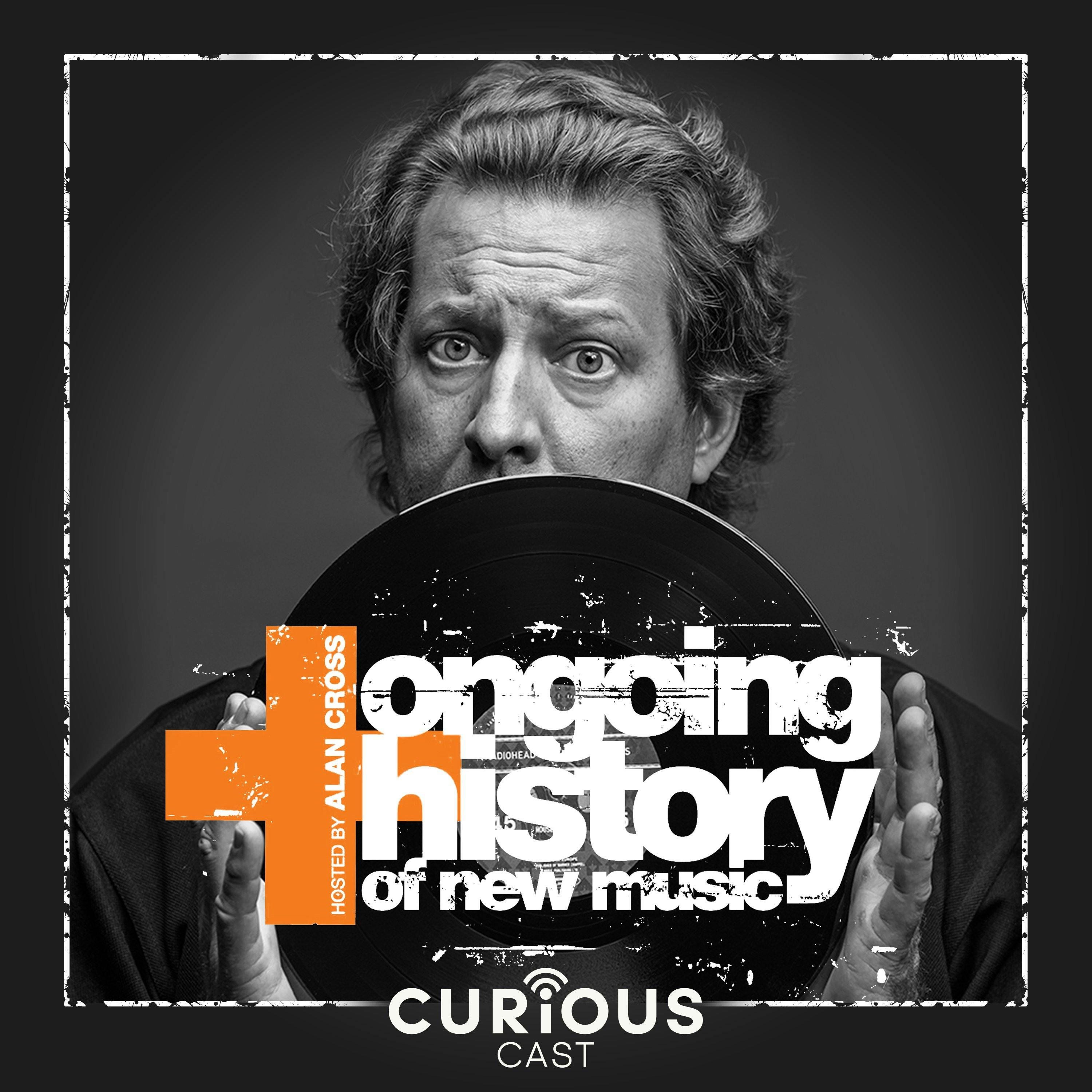
Ongoing History of New Music
Curiouscast
Ongoing History of New Music looks at things from the alt-rock universe to hip hop, from artist profiles to various thematic explorations. It is Canada’s most well known music documentary hosted by the legendary Alan Cross. Whatever the episode, you’re definitely going to learn something that you might not find anywhere else. Trust us on this.
Episodes
Mentioned books

Oct 24, 2023 • 32min
Introducing...Uncharted: The Lynyrd Skynyrd Plane Crash
The old days of air travel were quite risky…compared to today, the chances of your flight going down were far greater …every airport had kiosks and coin-operating vending machines where you could buy life insurance before you headed to the gate—you know, just in case you thought you weren’t going to make it to your final destination…1977 was one of the worst years for accidents in aviation history…in addition to several violent hijackings every month—sometimes with fatal results—There were also passenger plane crashes with great loss of life…including the worst aviation disaster of all time when two 747s planes collided on a runway in the Canary Islands, killing 583 people.Frank Sinatra’s mother, the Prime Minister of Yugoslavia, and all but one member of the University of Evansville basketball team died in crashes…But then there were the events of October 20, 1977, when a rickety chartered plane went down in a swamp in Mississippi…on board were members of Lynyrd Skynyrd…six of the 24 passengers died, including singer Ronnie Van Zandt, guitarist Steve Gaines, backup singer Cassie Gaines, and assistant road manager Dean Kilpatrick…both pilots also died…What happened?Have I got a story for you...Show contact info: X (formerly Twitter): @AlanCrossWebsite: ajournalofmusicalthings.comEmail: Alan@alancross.cahttps://podcasts.apple.com/us/podcast/uncharted-crime-and-mayhem-in-the-music-industry/id1710775237 Learn more about your ad choices. Visit megaphone.fm/adchoices

Oct 18, 2023 • 30min
The History of the Drum Machine
One of the most important parts of music is beat and rhythm...without beats, without rhythm, there’s no groove...without a groove, there’s no movement or dancing or really physically getting into the music...beats and grooves are essential building blocks for so much of modern music...In some songs, the beat is subtle but there...you feel it without someone having to keep it for you...but in others, you need a timekeeper, someone to emphasize and augment and the beats and the rhythms...For centuries, that job has fallen to drummers and percussionists...but what if a drummer or percussionist isn’t available?...or if you want to try something rhythmic but with different sounds, sounds that a drummer can’t make?...then you might find yourself reaching for a drum machine...Since their introduction in the very early 1980s, drum machines have become an essential part of modern compositions and productions...in fact, it’s impossible to imagine the music we have today without such electronic devices...Oh, we still have human drummers—we always will—but drum machines have taken us places that human timekeepers never could...and I’m speaking as someone who plays drums myself...But how did this all come about?...let’s investigate...this is the history of machines that keep time for our music... Learn more about your ad choices. Visit megaphone.fm/adchoices
Oct 11, 2023 • 33min
The History of the 2010s Part 5: Music and Tech
For centuries, there’s been a dance between music and technology with each affecting the other in some way...almost always, though, there’s no fighting progress...music (and everything to do with it) ultimately bends to the needs and demands of new technology...For example, when the Catholic Church built big, echo-y cathedrals in the Middle Ages, the sacred music in those buildings adapted to this new architecture so that it made use of the natural reverb...Fast-forward a bunch of centuries...Thomas Edison’s talking machine, first demonstrated in 1877, and Emile Berliner’s gramophone, which debuted 10 years later, were the first machines able to capture sound, up to three minutes at a time...but because of that recording limit, the standard length of a popular song became about three minutes...the music bent to the limitations of the medium...I can give you other examples: radio changed the way music was consumed, marketed and sold...jukeboxes help spread the word on R&B, country, and rock’n’roll...they were so popular that a coin shortage in 1937 was blamed on the popularity of jukeboxes...Electricity gave us amplifiers and the electric guitar...the microphone turned singers from people who could belt out tunes at high volumes into crooners who used the mic to create softer, more intimate performances...Synthesizers were reviled by many musicians at first because one could make the sounds of an entire orchestra, threatening the livelihoods of professionals...but they were eventually accepted...sampling was thought to be evil and illegal at first, but we worked that out...file-sharing of mp3s meant that no one would ever pay for music again, but now hundreds of millions of people are paying for streaming...there’s more, but you get what I’m talking about...This music-and-tech balance continues today...and on episode five of our look at rock in the 2010s, we’re going to look how that particular dance played out and the effect these interactions had on our music... Learn more about your ad choices. Visit megaphone.fm/adchoices

Oct 7, 2023 • 33min
Introducing.... Bad Parents | Vacationing with Children
We as parents get so little time to ourselves. So if you know when vacationing with kids actually becomes a relaxing vacation… please let us know.In this episode we discuss the literal ups and downs of traveling with kids.You can find and listen to this podcast wherever you get your podcasts: https://link.chtbl.com/badparents Learn more about your ad choices. Visit megaphone.fm/adchoices
Oct 4, 2023 • 24min
The History of the 2010s Part 4: The Revivals
It’s an established fact that music comes in many different types of cycles...a sound and style will be big for a while, reach a peak with the public, and then slowly fade out....but once established, it’s unusual for a sound to completely disappear, never to be heard from again...The only genre I can think of is---maybe alt-rock-style rockabilly...it was big in the very early 80s with bands like the stray cats...but then it just kinda went away...there’s never been a rockabilly revival—at least in the sense and style and scope of what we heard way back then when it was huge for about 18 months...Instead, after enjoying a time at the forefront of music, many of the cycle-prone rock sounds recede into the shadows, never really going away...they lie in wait until someone comes along—often a generation or two later—to rediscover and reactivate it...When that happens, it’s usually given a sonic update and if the timing is right, the sound enjoys a new period of time in sun before the cycle repeats yet again...The longer you live and the more music you become familiar with, the more you begin to see these cycles play themselves out, sometimes over and over again...we see it every decade...The 2010s were no different...we saw a series of revivals, rediscoveries, and comebacks, all based on the musical dna of what had come before...let’s examine that...this is the history of the 2010s, part 4... Learn more about your ad choices. Visit megaphone.fm/adchoices
Sep 27, 2023 • 24min
The History of the 2010s Part 3: The New Genres
It must have been so easy to write about rock back in the 50s...comparatively easy to today, i mean...everything was so new that that’s all you had to pay attention to...there wasn’t exactly anything called “rock history” back then because the music had no history...What began as a spark in the early 50s turned out to be the musical equivalent of the cosmological big bang...and as the years and decades passed, this music—which began as a fresh take on the 12-bar blues template—separated, segmented, stratified, mutated, evolved—with increasing speed...New genres began to appear yearly, monthly, and sometimes even weekly...today, it seems like every single day results in some kind of derivative spin-off sub-sub-sub-sub-genre...The new sound and approach may gain traction and stay with us for some time, perhaps even carving out its own permanent space in the rock universe...more likely, though, a new genre will have a half-life shorter than hydrogen 7...and to save you from looking that up, that’s a tiny, tiny fraction of a second: a decimal point followed by 23 zeroes...But there’s no stopping the fission and fusion of rock...we’re always going to get new sounds...keeping up with them all is another matter...This is part of what makes writing a musical history of the 2010s so challenging...the number of iterations rock went through in that decade was insane...but if we’re going to understand what happened to rock during that time, we’re going to have to at least try...This is the history of the 2010s, part 3... Learn more about your ad choices. Visit megaphone.fm/adchoices
Sep 20, 2023 • 27min
The History of the 2010s Part 2: The Role of Indie Rock
Traditional wisdom says that the recorded music industry is dominated by the major labels...there used to be a bunch of them, but over the last 25 years, their number has been whittled down to just three companies: universal (the biggest), Sony, and warner music...Here’s something you may not have know...at last estimate, about 95,000 songs are uploaded to the streaming music services every day...of that number, only about 4% are from those three majors...the rest is from indie labels and do-it-yourself musicians...Let me flip that around: 96% of all new music comes from independent musicians...the market share of indie labels has been rising by double-digits for almost 25 years now...Indie music—or at least material from bands not directly signed to one of the three majors—was an important aspect of the 2010s...major label acts were still important, but without the indies, it would have been a pretty empty decade...but thanks to the sheer volume of new music and some crafty distribution by indie-friendly companies, we got to hear a lot of it...The width and breadth of indie over those ten years was staggering...and without the influence of independent musicians, styles, and trends, major label mainstream rock would have been much different...Let’s examine that...this is part two of the history of rock in the 2010s... Learn more about your ad choices. Visit megaphone.fm/adchoices
Sep 13, 2023 • 31min
The History of the 2010s Part 1: Rock Struggles Again
We never know we’re living through history as it happens...for example, if we’re trying to assess what happened in a particular decade, we can’t really do it justice if we attempt to analyze things day to day...you need a break, a little time for things to settle into place when it comes to the grand scheme of things...Take the 60s, for example...this sounds a bit weird at first, but they didn’t end when the calendar flipped over to January 1, 1970...decades have momentum—sometimes a hangover—that carries things forward for a year or two or even three afterwards...For example, the 50s carried on until probably 1963...it took the assassination of JFK to really kick off the new decade...historians have made convincing arguments that the 60s didn’t end until 1972-ish...The 70s may have ended relatively on time, brought about by things like the death of disco, a terrible recession, the election of Ronald Reagan, and other markers that said the “me decade” of 70s were done...I’d say that the 80s ended by the end of 1991, thanks to the first gulf war, another awful recession, and a wholesale sea change in music as we quickly transitioned from a world awash in hair metal to the new alternative generation...I’d put the end of the 90s in 2001..buried by 9/11 and the retaliation that followed, the rise of the internet, the bursting of the dot-com bubble, and the end of the traditional music industry, the introduction of the iPod...The aughts?...that’s another decade that I feel ended on time...so much came to a screaming halt with the financial crisis—the great recession in 2008—and by the time the clouds parted, we were done with that decade...This leaves us at the dawn of the 2010s which was one of the few decades that started right on time...and for the next 10 years, we saw everything from prosperous economic growth to the rise of authoritarism...and technology?...wow...the 2010s saw more people get into tech and gadgets than at any time in history...smart phones, the explosion of social media, cord-cutting...Which brings us to music...when we look back on that decade, what happened?...what did we learn?...and how were trends and styles and consumption different than earlier decades?...Let’s find out...this is the history of the 2010s, part 1... Learn more about your ad choices. Visit megaphone.fm/adchoices
Sep 6, 2023 • 30min
The More Things Change Part 2
Continuing to dive into the Ongoing History of New Music archives, here's a show for 2016 that we are surprised has not been posted yet!At some point in your life, you said “I’m never going to become like my parents”…yes, you did…don’t lie…we all did…We vowed that we’d never become old and stodgy and boring and stuck in their ways and closed to new ideas…Do not panic…this is totally natural…this cycle of life has been going on since the invention of music—and it only accelerated with the birth of the recording industry in the late 1800s…Every generation has its thing…and every generation thinks that the people who came before them and comes after them are weird and wrong…This is part two of the more things change, the more things stay the same… Learn more about your ad choices. Visit megaphone.fm/adchoices
Aug 30, 2023 • 27min
The More Things Change Part 1
Continuing to dive into the Ongoing History of New Music archives, here's a show for 2016 that we are surprised has not been posted yet!Have you every heard yourself say this?kids these days! What’s wrong with them? All their crazy music. It’s just noise!That usually leads to…music isn’t as good as it used to be. When i was younger—high school, university—music was awesome!That’s followed by a list of bands and songs you believe to be the greatest ever, a lot of which aren’t as popular as you still want them to be…and then things usually end up like this…if today’s kids would stop and listen to what we used to listen to, they’d see that i’m right! Then we’d start getting some goodnew music!Don’t worry…if any of this sounds familiar, it’s because this is totally natural… People always hate the music of the generations that are coming up behind them…and I mean always…The young are always denigrated for their music, their way of dancing, their technology and their overall disrespect for their elders and history and the way things used to be… It’s the cycle of life…and it’s been going on for not just decades, but centuries…here…let me show you… Learn more about your ad choices. Visit megaphone.fm/adchoices

