

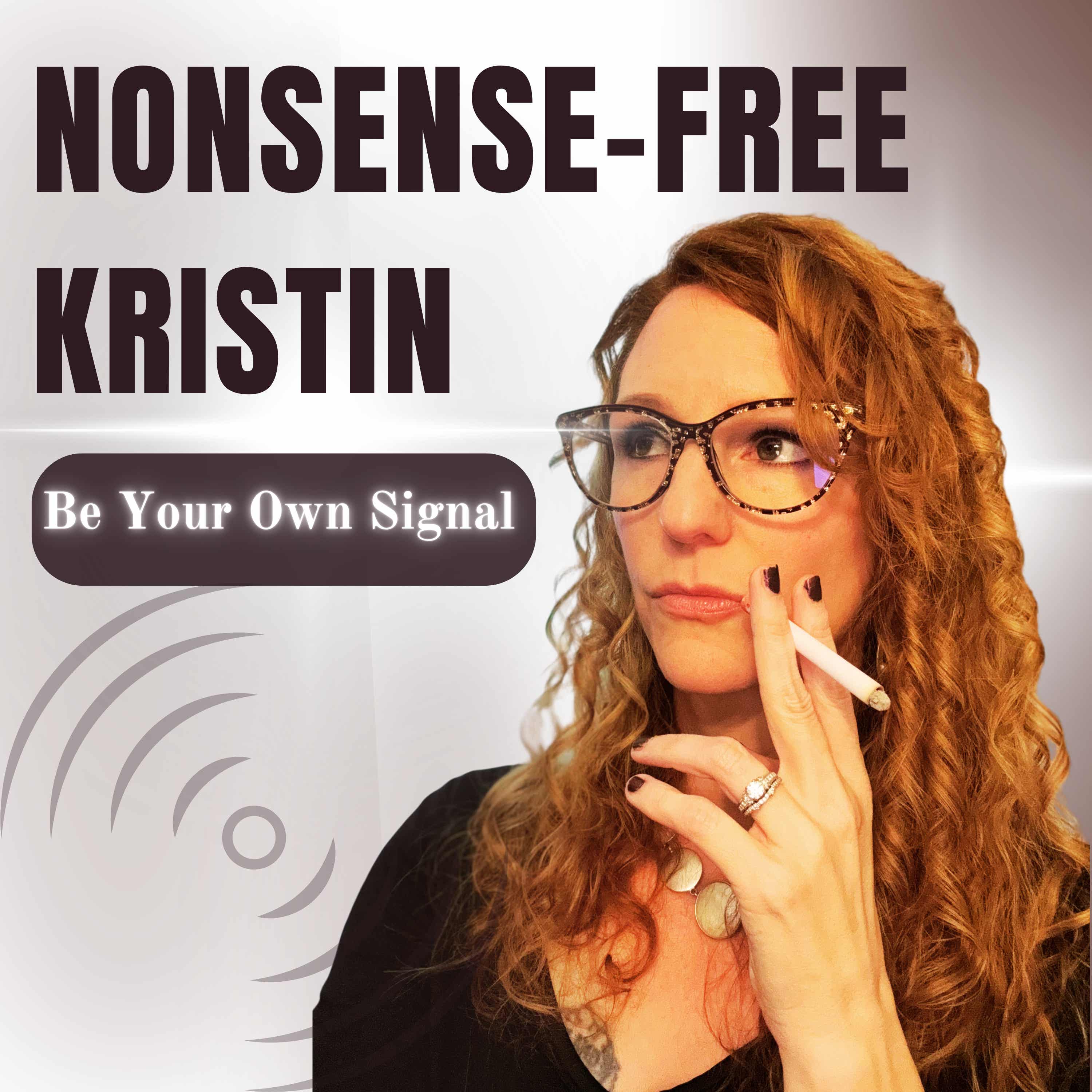
Nonsense-Free Kristin
Kristin McTiernan
Nonsense-Free Kristin is where independent authors and creators learn to build their platforms, master their craft, and create on their own terms—without begging for permission from gatekeepers who hate them www.fictionalinfluence.com
Episodes
Mentioned books

Jan 28, 2026 • 47min
K.T. Carlisle - Trad Pub is Not the Finish Line: Why an Agency Insider Went Indie
Is a traditional publishing deal actually the finish line, or is it just the beginning of a different struggle? In this episode, Kristin sits down with thriller author and editor K.T. Carlisle to answer just that.Before becoming a successful indie author, K.T. worked inside a prestigious literary agency, before seeing behind the curtain on what really happens to your query letter, who actually reads your submission, and the shocking financial realities of traditional publishing revealed during the Penguin Random House court case.K.T. shares why, despite having interest from a Big 5 editor, she decided the juice wasn’t worth the squeeze and pivoted to self-publishing. We also dive deep into actionable marketing strategies, specifically how to dominate Twitter (X) without spending a dime on ads, and why you need to stop letting “I can’t” dictate your writing career.In This Episode* Life Inside an Agency: The reality of the “slush pile” and why interns (not agents) are likely the first to read your work.* The Instant Rejection: The most common mistakes authors make that lead to immediate deletion.* The Numbers Don’t Lie: Discussing the Penguin Random House court case revelation that many trad-pub books sell fewer than 12 copies in their first year.* The Big Pivot: Why K.T. walked away from traditional interest to control her own career.* Indie Quality Control: How to ensure your self-published book rivals HarperCollins or Simon & Schuster.* Twitter Marketing Masterclass: Why “link dropping” kills your reach, using “Hobo Code” to beat the algorithm, and building community vs. broadcasting sales.* The Money Mindset: Diversifying income streams (editing, ghostwriting) to fund your art.* No Excuses: K.T.’s inspiring approach to working and writing while managing chronic pain.Guest LinksK.T. Carlisle* Read INTUITION by K.T. Carlisle: https://amzn.to/4i0SLEu* X: @KT_Carlisle * Website: https://ktcarlisle.com* Editing Services: https://ktaeditorial.comKristin’s Links* Services & Content* Editing Services: nonsensefreeeditor.com* Newsletter: https://www.fictionalinfluence.com* YouTube: https://youtube.com/@nonsensefreekristinTimestamps00:00 - Introduction and Purpose of the Interview01:44 - Meet K.T. Carlisle: Literary Agent to Indie Author02:39 - Inside the Literary Agency and the Reality of Querying08:35 - The Harsh Truths of Traditional Publishing18:12 - Why K.T. Chose the Indie Path22:11 - Building an Authentic Platform as an Indie Author25:01 - Crafting the Perfect Social Media Post25:21 - Navigating Social Media Algorithms26:55 - Choosing the Right Platform for You30:18 - Effective Social Media Tools and Strategies33:48 - Balancing Creativity and Commercial Success37:14 - Building a Sustainable Writing Career41:11 - Starting from Scratch: Key Strategies43:20 - The Future of Independent Publishing45:28 - Where to Find More from K.T. CarlisleAbout This PodcastNonsense-Free Kristin is where independent authors and creators learn to build their platforms, master their craft, and create on their own terms—without begging for permission from gatekeepers who hate them.New episodes weekly.Subscribe on: Apple Podcasts, Spotify, and YouTube Music. This is a public episode. If you'd like to discuss this with other subscribers or get access to bonus episodes, visit www.fictionalinfluence.com/subscribe

Jan 21, 2026 • 54min
John Van Stry - Harnessing Harem to Sell 1,000,000+ Copies
Most authors dream of finishing one book a year; John Van Stry wrote twenty in two. The bestselling sci-fi author joins Kristin to explain how he transitioned from defense engineering to indie publishing by systematizing his creativity and treating the craft with an analytical mindset.John also explores the specific strategies that turned his backlist into a seven-figure business, including the “guerrilla marketing” tactics that work for new authors, as well as how to build magic systems using real-world physics. John also tackles the industry’s double standards, offering a candid defense of male-targeted “Harem” fiction against the universally accepted “Reverse Harem” romance market.In This Episode* 20 Books in 2 Years: How John utilized his engineering background to analyze successful authors, streamline his process, and produce massive output to launch his career.* Writing for Men: John discusses the “KDP Gold Rush” era and how he found massive success by writing authentic male protagonists when traditional publishers were only interested in female-led stories.* The “Rothfuss Effect”: Why writing trilogies can kill a new author’s career and why readers are terrified of unfinished series.* Harem vs. Reverse Harem: A candid look at the hypocrisy in the industry regarding men’s fantasy vs. women’s romance, and why he uses a pen name (John Stryvant) to separate his explicit work from his standard sci-fi.* Engineering Magic: How a background in defense and physics helps John create grounded, believable hard sci-fi and magic systems.* Guerrilla Marketing: Old school tactics that still work—from business cards at car dealerships to understanding why the adult industry always leads the way in marketing technology.* The $2.99 Strategy: Why volume is the name of the game and why raising your prices might actually be costing you money.Guest LinksJohn Van Stry* READ THE WOLFHOUNDS SERIES BY JOHN VAN STRY https: //amzn.to/3XqIND3* http://vanstry.net/vanstry/* X: @JohnVanStry Kristin’s Links* Services & Content* Editing Services: nonsensefreeeditor.com* Newsletter: https://www.fictionalinfluence.com* YouTube: https://youtube.com/@nonsensefreekristinTimestamps00:00 - Introduction and Author’s Achievement01:53 - Meet John Van Stry: The Prolific Author02:03 - Journey to Full-Time Writing03:25 - Early Publishing Challenges and Successes08:45 - Rapid Release Strategy and Productivity15:48 - World Building and Magic Systems20:16 - Reviving Portal and Harem Fiction26:23 - Marketing and Pen Names29:07 - Amazon Ecosystem Insights29:25 - The Myth of Overnight Success29:54 - Embrace Your First Book’s Flaws30:40 - The Importance of Writing the Next Book31:02 - Learning from Romance Authors31:35 - Taking Responsibility for Your Book’s Performance31:56 - Navigating Reviews and Criticism33:10 - Understanding Grammar and Writing Style37:51 - Effective Book Marketing Strategies45:26 - Advice for Aspiring Male Authors47:04 - Building a Sustainable Writing Career48:29 - Connecting with Readers and Fans52:50 - The Value of Daily AffirmationsAbout This PodcastNonsense-Free Kristin is where independent authors and creators learn to build their platforms, master their craft, and create on their own terms—without begging for permission from gatekeepers who hate them.New episodes weekly.Subscribe on: Apple Podcasts, Spotify, and YouTube Music. This is a public episode. If you'd like to discuss this with other subscribers or get access to bonus episodes, visit www.fictionalinfluence.com/subscribe

11 snips
Jan 14, 2026 • 50min
Cary DiCristina - Why Men Stopped Reading Fiction (and How to Bring Them Back)
Cary DiCristina, a screenwriter-turned-indie novelist, shares his 15-year Hollywood journey and the creative freedom he found in self-publishing. He discusses why many men have stopped reading fiction, attributing it to a shift from story-driven narratives to heavy-handed messages. Cary offers insights on writing authentic female characters without falling into clichéd tropes. He also highlights his unique strategy of serializing fiction on Substack to engage readers before the sale, advocating for a blended approach to storytelling.

9 snips
Jan 7, 2026 • 43min
Jon Del Arroz - AI Writing, Cancel Culture & The Future of Publishing
Science fiction author and Fandom Pulse founder Jon Del Arroz joins the show to discuss why he is arguably the most banned man in independent publishing. From being ejected from WorldCon while in line for a Disney ride to being de-platformed by Kickstarter and Indiegogo, John explains how “cancel culture” collusion works and why he refuses to back down.Jon also dives into his most controversial stance yet: his open use of Generative AI for writing fiction. He argues that much of modern genre fiction has become “algorithm slop” and explains why he believes AI can sometimes outperform human authors who are merely writing to market.In This Episode* The WorldCon Ban: Jon recounts the story of being banned from the World Science Fiction Convention and labeled a “racist bully” due to online political disputes.* Kickstarter & Indiegogo: How mass reporting campaigns led to his removal from major crowdfunding platforms despite running over a dozen successful campaigns.* The AI Controversy: Why Jon openly uses AI for text and art, and his experiment with a “hidden” AI pen name that magazines can’t distinguish from human writing.* Human “Slop” vs. AI: A critique of the “Write to Market” philosophy and why formulaic human writing is just as soulless as machine generation.* Valiant Frontiers: Jon’s new “Star Trek-alternative” novel series on Fund My Comic, designed to bring back high-concept episodic sci-fi.* Building a Brand: Practical advice for new creators on how to find a niche and the necessity of daily content creation.Guest LinksJon Del Arroz* READ Valiant Frontiers: https://www.fundmycomic.com/valiant-frontiers* Youtube @JonDelArroz* Substack Fandom Pulse * Discord @_otomo* X @jondelarrozKristin’s Links* Services & Content* Editing Services: nonsensefreeeditor.com* Newsletter: https://www.fictionalinfluence.com* YouTube: https://youtube.com/@nonsensefreekristinSponsorsDescript - Edit audio by editing text. Remove filler words and clean up background noise automatically.https://get.descript.com/nonsensefreeTimestamps00:00 - Introduction to Jon Dela Rose00:44 - Controversial Use of AI in Publishing01:11 - Jon’s Experience with Cancel Culture01:34 - Jon’s Career and Projects03:04 - Banned from Worldcon07:57 - Challenges with Crowdfunding Platforms17:10 - AI in Writing and Art21:18 - The Future of Independent Publishing22:56 - Hypocrisy and AI in Publishing23:28 - Algorithmic Writing and Market Trends26:06 - AI’s Role in Writing and Personal Experiments26:40 - Challenges of Being a Creative Author29:07 - Marketing Strategies for Authors32:16 - Crowdfunding and Niche Markets37:19 - Future Goals and Advice for Aspiring Authors41:09 - Balancing Content Creation and Writing41:50 - Where to Find More ContentAbout This PodcastNonsense-Free Kristin is where independent authors and creators learn to build their platforms, master their craft, and create on their own terms—without begging for permission from gatekeepers who hate them.New episodes weekly.Subscribe on: Apple Podcasts, Spotify, and YouTube Music. This is a public episode. If you'd like to discuss this with other subscribers or get access to bonus episodes, visit www.fictionalinfluence.com/subscribe

Dec 31, 2025 • 49min
Jack Napier - On Women (Dating Dynamics, Trad-Con Traps, and Marketing Freedom)
Jack Napier joins to discuss his new book, On Women, described as 200 pages of “condensed Red Pill 101”. While the term “Red Pill” is often misunderstood or conflated with figures like Andrew Tate, Jack breaks it down to its roots: a “walkthrough” of shared experiences for men, similar to Nintendo Power, rather than a political ideology.Beyond dating dynamics, Jack and Kristin explore the “Community First” approach to platform building. Jack details how he transitioned from a full-time job to a free agent by slowly scaling down his hours as his online income grew, proving that you don’t need to go viral to find freedom— you just need to provide value. They also tackle the pitfalls of the modern “Trad” revival, why young men are shooting themselves in the foot by rushing into marriage, and the reality of female competition in male spaces.In This Episode* Red Pill as a Toolset: Why Jack defines the Red Pill not as a movement, but as a collection of applied skill sets and shared experiences among men.* The “Trad” Trap: The dangers of young men focusing on marriage as a success metric without knowing if they actually like their partner.* No Red Pill Women: Jack explains why the “Red Pill” concept is exclusive to male sexual strategy and why women naturally compete rather than share “walkthroughs”.* The “Blue Ocean” Theory: How women entering all-male spaces create a non-competitive market (Blue Ocean) for themselves to gain attention.* Dating Market Realities: The impact of dating apps becoming “pay-to-play” and why average men struggle with online dating compared to women.* Building Freedom: Jack’s strategy for quitting the 9-to-5 by treating relationships as transactional (value-based) and building a consistent body of work over years.* Fitness Industry Lies: Why you don’t need complicated supplements or weird exercises to get fit.Guest LinksJack Napier* READ On Women: https://amzn.to/4oJiwLO* Substack - Jack Napier* X @JackNapierNot Kristin’s Links* Services & Content* Editing Services: nonsensefreeeditor.com* Newsletter: https://www.fictionalinfluence.com* YouTube: https://youtube.com/@nonsensefreekristinSponsorsEverand - Stop paying per credit and start reading without limits using Everand's massive library of ebooks, audiobooks, and magazines. It's the most cost-effective way to keep your creative well filled without draining your bank account.https://go.everand.com/nonsensefreeTimestamps00:00 - Introduction and Guest Introduction00:38 - Jack Napier’s Background and Community Building01:15 - The Concept of Red Pill and Its Misconceptions01:50 - Jack’s Journey in the Manosphere04:53 - The Science of Red Pill and Male-Female Dynamics07:01 - Challenges Faced by Young Men Today10:05 - The Trad Resurgence and Its Implications12:42 - The Debate on Red Pill Women21:10 - Dating Dynamics in the Netherlands22:17 - The Impact of Media and Social Perceptions25:33 - Online Dating Challenges Post-COVID27:34 - Online Dating Experiences28:31 - Red Pill Dating Discourse32:40 - Virginity and Sexuality Myths34:12 - Balancing Business and Passion36:22 - Building a Personal Brand43:26 - Fitness and Consistency46:02 - Community and Support48:07 - Final Thoughts and FarewellAbout This PodcastNonsense-Free Kristin is where independent authors and creators learn to build their platforms, master their craft, and create on their own terms—without begging for permission from gatekeepers who hate them.New episodes weekly.Subscribe on: Apple Podcasts, Spotify, and YouTube Music. This is a public episode. If you'd like to discuss this with other subscribers or get access to bonus episodes, visit www.fictionalinfluence.com/subscribe

Dec 24, 2025 • 39min
Melissa Cave - Crafting Believable Men in Romantasy, and Why BookTok Sucks at It
Military veteran and fantasy author Melissa Cave joins the show to discuss why "Romantasy" has become a slur in the reading community and how she is fighting back with historical realism. Melissa breaks down the difference between aesthetic-focused trends and deep world-building, explaining why readers are starving for believable male characters who don't sound like they're from 2026 Los Angeles. She also reveals her bold "all-in" business strategy, writing six full novels before publishing the first, and details exactly where she spent her budget to hit the Amazon bestseller lists without relying on a massive social media following.In This Episode* Romantasy vs. Reality: Why “romantic” fantasy often devolves into soap opera slop with a thin magical veneer.* The “2026 Los Angeles” Problem: How modern dialogue and behavior are ruining historical immersion.* Writing Believable Men: Why making female characters “strong” shouldn’t mean erasing distinct male roles or military realism.* The Anti-Hookup Culture: Exploring the “slow burn” of arranged marriage and why two virgins navigating a relationship is the new counter-culture.* The 6-Book Gamble: Melissa’s strategy of writing the entire series before launch to ensure quality and avoid “George R.R. Martin syndrome”.* Paying for Performance: Why Melissa skipped the “organic platform building” grind and went straight to paid advertising (and which ads actually worked).* The Minimum Viable Launch: The three things every indie author must pay for: Covers, Editing, and Formatting.* Building vs. Destroying: Moving past the “grimdark” obsession with destruction to tell stories about building civilization.Guest LinksMelissa Cave* READ EMPIRE OF THE STARS: https://amzn.to/4rGe8iU* melissajcave.com* X Melissa Cave * IG @melissaj.caveKristin’s Links* Services & Content* Editing Services: nonsensefreeeditor.com* Newsletter: https://www.fictionalinfluence.com* YouTube: https://youtube.com/@nonsensefreekristinSponsorsLater - Stop letting social media drain your writing time. Use Later to visually plan and auto-schedule a month of content in just one afternoon. Reclaim your creative hours today.https://try.later.com/nonsensefreeTimestamps00:00 - Introduction and Overview of Romantic Fantasy01:21 - Interview with Melissa Cave: Background and Achievements01:55 - Writing Believable Characters and Historical Accuracy04:03 - Romantic vs. Historical Fantasy: Key Differences06:10 - Building a Fantasy World: Research and Realism16:29 - Marketing Strategies for Indie Authors28:47 - The Importance of Quality and Investment in Publishing37:44 - Conclusion and Final ThoughtsAbout This PodcastNonsense-Free Kristin is where independent authors and creators learn to build their platforms, master their craft, and create on their own terms—without begging for permission from gatekeepers who hate them.New episodes weekly.Subscribe on: Apple Podcasts, Spotify, and YouTube Music. This is a public episode. If you'd like to discuss this with other subscribers or get access to bonus episodes, visit www.fictionalinfluence.com/subscribe

Dec 17, 2025 • 37min
Nick Pecone - The Role Player’s Guide to Indie Success: Quests, Character Sheets, and Sales
Marketer and musician Nick Picone joins the show to discuss the “Iron Age” of media, why the DIY punk rock ethos is the only path forward for modern authors, and how to gamify the dreaded task of marketing.Nick applies his unique background in music and marketing to the independent creator space, breaking down why traditional publishing gatekeepers are failing both authors and audiences. He explains why the fear of “selling out” is holding writers back, and how to reframe sales as simply building a relationship with the people who are already looking for you. Nick also details his D&D-inspired approach to business, treating marketing assets like a “Character Sheet” and sales goals like “Quests,” and dives into the controversial but necessary role of AI in an indie author’s toolkit.In This Episode* The Iron Age Explained: Why trust in big corporations is dead and why the “punk rock” DIY approach is the future of media.* Gatekeeping vs. Reality: How Trad Pub’s demand for specific identity politics often stifles the very diversity it claims to support.* The “Buyer’s Club” Trap: The difference between organic audience growth and the insular world of indie comic “hype” circles.* The “Selling Out” Myth: Why believing your work is worth money is the first step to success.* Marketing for Introverts: Moving past the fear of being a “shill” by focusing on connection rather than cold sales.* The AI Debate: How independent creators can use AI as a force multiplier for drudgery (like show notes) without replacing the art.* Gamifying Business: Using The Role Players Guide to Marketing to turn metrics into a game you can win.* Know Your Audience: Why chasing the “modern audience” (like Disney) fails, and why niche authenticity wins every time.Guest LinksNick Pecone* Pre-Order The Role Players Guide to Marketing: https://nickpecone.com/get-the-roleplayers-guide-to-marketing/* nickpecone.com* X @NickyPineconeKristin’s Links* Services & Content* Editing Services: nonsensefreeeditor.com* Newsletter: https://www.fictionalinfluence.com* YouTube: https://youtube.com/@nonsensefreekristinTimestamps00:00 - Introduction and Guest Overview02:12 - The Iron Age Movement05:00 - Challenges in Traditional Publishing06:49 - Marketing Strategies for Creatives09:00 - Navigating the Indie Space21:59 - AI in Content Creation24:37 - Common Marketing Mistakes36:06 - Final Thoughts and Contact Information44:43 - Final Thoughts and Where to Find MoreAbout This PodcastNonsense-Free Kristin is where independent authors and creators learn to build their platforms, master their craft, and create on their own terms—without begging for permission from gatekeepers who hate them.New episodes weekly.Subscribe on: Apple Podcasts, Spotify, and YouTube Music. This is a public episode. If you'd like to discuss this with other subscribers or get access to bonus episodes, visit www.fictionalinfluence.com/subscribe

Dec 10, 2025 • 45min
Kit Perez - The Machine is Designed to Reward Itself, Not You (And What to do About It)
Kit Perez, an author and counselor specializing in trauma-informed approaches for creators, shares her insights on resistance in the publishing world. She argues that Amazon isn't evil but functions to maximize its own rewards. Kit highlights the importance of owning your audience and controlling distribution to achieve independence. She warns against the pitfalls of people-pleasing and explains how to handle online criticism with indifference. The discussion also touches on the need for a parallel economy in publishing, aiming for real connections over superficial metrics.

14 snips
Dec 3, 2025 • 31min
John A. Douglas - Creating Masculine Fantasy in the Indie Sphere
John A. Douglas, an independent fantasy author known for 'The Black Crown,' shares insights on the state of literature for men, highlighting the shift away from traditional publishing. He discusses his personal journey from being a bullied boy to a successful indie author, emphasizing the importance of classic tropes like the hero’s journey. John critiques how traditional publishers fail to connect with male readers and advocates for dynamic indie covers, all while stressing the need for authors to cultivate a strong, unapologetic public persona to thrive.

Nov 26, 2025 • 16min
Boys Fiction - Why Teenage Boys Stopped Reading (And How to Fix It)
Where did all the adventure books for teenage boys go? Jeff Putnam—author and father of eight sons—explains why boys stopped reading, what happened to men’s adventure fiction, and how indie authors are bringing it back. We also discuss why manga and LitRPG dominate with young male readers while traditional publishing keeps churning out books boys don’t want.The Hardy Boys to Hemingway pipeline is broken. Here’s how to fix it.In This Episode* Why publishing stopped making books for teenage boys* What boys actually want to read (vs. what publishing thinks they want)* The Hardy Boys to Hemingway pipeline (and why it collapsed)* How masculinity became associated with not reading* Why manga and LitRPG succeeded where trad pub failed* What makes the Cole Harper series different* How to get teenage boys interested in reading* Leading by example: making reading normal in your household* The importance of letting kids explore different formatsGuest LinksJeff Putnam* Cole Harper Adventure Series: AmazonKristin’s LinksServices & Content* Editing Services: nonsensefreeeditor.com* Newsletter: Fictional Influence on Substack* YouTube: Nonsense-Free KristinSponsorsLearnWorlds - Turn your expertise into a course. Built-in marketing, interactive features, and your own branded school. Join at get.learnworlds.com/nonsensefreeTimestamps[00:00] - Introduction: Where are the books for boys?[02:45] - Men’s adventure fiction used to dominate publishing[04:30] - Why boys don’t read anymore (according to Jeff)[07:15] - What happened between 1982-1984 that changed everything[09:30] - Why manga and LitRPG fill the gap[11:45] - The transgressive fiction moment (and why it didn’t last)[13:20] - Making reading an adventure, not homework[15:40] - Leading by example: seven bookcases and no book budget limit[17:25] - Letting kids explore different formats (comics, manga, audiobooks)About This PodcastNonsense-Free Kristin is where independent authors and creators learn to build their platforms, master their craft, and create on their own terms—without begging for permission from gatekeepers who hate them.New episodes weekly.Subscribe on: Apple Podcasts, Spotify, and YouTube Music This is a public episode. If you'd like to discuss this with other subscribers or get access to bonus episodes, visit www.fictionalinfluence.com/subscribe

