


Eurodollar University
Jeff Snider
Jeff Snider will guide you through the realm of monetary science. Multiple episodes uploaded each week, discussing big news and key current events, the state of markets and what they are telling you, as well as historical summaries and deep background material so that you can understand what’s really going on in this eurodollar’s world.
Episodes
Mentioned books
Aug 5, 2024 • 19min
The Recession Has Hit The Job Market
The U.S. job market is facing serious challenges with unemployment hitting 4.3%. Recent reports revealed a surprising payroll increase of just 114,000 jobs, underscoring the reality of a potential recession. As the Federal Reserve contemplates its next moves, there's concern that rate cuts may not effectively revive the struggling economy. The discussion highlights how rising interest rates are straining household finances and complicating the economic landscape. Such troubling trends suggest that a soft landing is far from achievable.
Aug 4, 2024 • 18min
It's Official: The Recession is Here
Dive into the looming recession as experts dissect market signals indicating harsh economic times ahead. They argue that despite soft landing hopes, a downturn seems inevitable. The discussion highlights labor data reactions and anticipates aggressive Federal Reserve rate cuts as unemployment climbs, comparing current trends to past economic crises. Gain insights into how different markets reflect short, intermediate, and long-term recession implications.
Aug 2, 2024 • 22min
It's Official: Unemployment Is About to Hit the Fan
The podcast dives into the alarming indicators in the US labor market, forecasting rising unemployment. It highlights historical patterns that consistently emerge before economic downturns. The discussion emphasizes the Federal Reserve's actions and their implications on the labor sector. Listeners learn about the discrepancies in employment data and how recent market stability may be masking deeper financial imbalances. The cyclical nature of recessions and the potential for drastic monetary policy shifts are explored.

Aug 1, 2024 • 19min
Japan's Central Bank Just Hiked Rates WHILE in a Recession
Japan's Central Bank has shocked economists by hiking interest rates during a recession. This bold move raises questions about traditional monetary policy. The decision appears to be influenced by political motives, particularly regarding the declining yen. The podcast explores the potential ramifications of this unexpected policy shift for Japan's economy and how it challenges existing economic theories.
Jul 31, 2024 • 17min
Jobs Have Completely Stopped Hiring
U.S. hiring has dramatically plummeted, reaching record lows not seen in seven years. This downturn is mirrored by McDonald's experiencing its first drop in sales since 2020, highlighting a broader economic malaise. Workers are reluctant to change jobs, further complicating an already strained labor market. The discussion reveals troubling trends like rising unemployment and stagnant incomes, painting a concerning picture of potential recession ahead.
Jul 30, 2024 • 18min
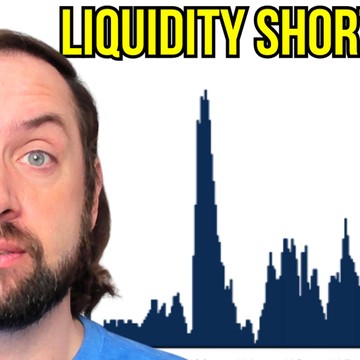
The Global Repo Market is Starting to Explode (does This Mean a GFC is Near?)
The podcast dives into the surging repo market, with the Federal Reserve's foreign repo pool hitting unprecedented levels. It highlights how primary dealers are stockpiling collateral, drawing parallels to the March 2020 financial environment. The discussion also touches on the strength of the dollar impacting global currencies, particularly in emerging markets facing recession fears. Additionally, significant shifts in bond markets, including yield declines and banking liquidity challenges, raise red flags about potential financial distress.
Jul 29, 2024 • 18min
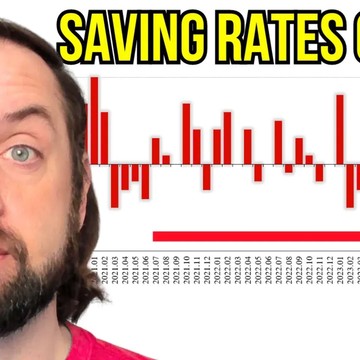
People Are Running Out Of Money
Steve Van Metre, an expert on economic challenges facing US consumers, discusses the alarming decline in American savings, which are now at just 3.4%. He highlights how stagnant incomes and rising unemployment are pushing consumers to rely heavily on credit, leading to increasing delinquencies. The conversation delves into the disconnect between manufacturing output and consumer demand, raising concerns about future economic prospects. Van Metre paints a stark picture of financial anxiety and the potential risks of a looming recession.
Jul 28, 2024 • 18min
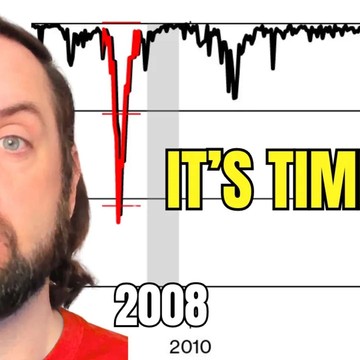
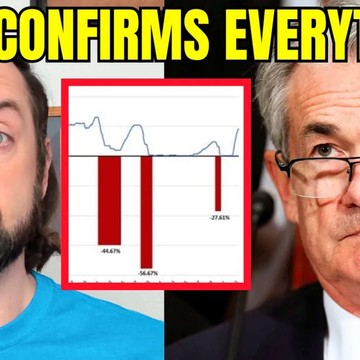
This Just Confirmed Everything
The podcast dives into the troubling signs of a goods recession, with major companies like Nestlé and Unilever reporting disappointing sales. It highlights the automotive sector's struggles, including rising inventories and declining consumer demand. The discussion extends to the disconnection between expected and actual energy recovery in China versus the U.S. economy. Finally, it emphasizes how rising unemployment creates a vicious cycle that threatens to deepen the recession, impacting consumer spending and overall economic stability.
Jul 26, 2024 • 19min
New GDP Report Shocks the Market (what you need to know)
Most Americans believe the country is in a recession, despite a surprising 2.8% GDP growth in the second quarter. The podcast delves into the contradictions between positive economic reports and public sentiment, highlighting fears of a goods recession. It also discusses underlying issues like increasing unemployment and a shrinking goods sector, emphasizing that surface-level growth may mask deeper economic troubles. Tune in to explore why consumer discontent might pose risks to future stability.
Jul 25, 2024 • 19min
HOLY SMOKES, You Won't Believe What Just Happened To Bonds
The U.S. Treasury curve is experiencing significant bull moves, reflecting unsettling economic signals. Luxury conglomerate LVMH reports a revenue miss, indicating consumer spending is on the decline, particularly among the affluent. Former Fed members advocate for urgent rate cuts, sparking debates on their timeliness. Meanwhile, central banks, like the Bank of Canada, are also slashing rates, but concerns grow over whether these measures can combat looming recession fears. The luxury market is feeling the pressure as middle-class consumers face economic challenges.

