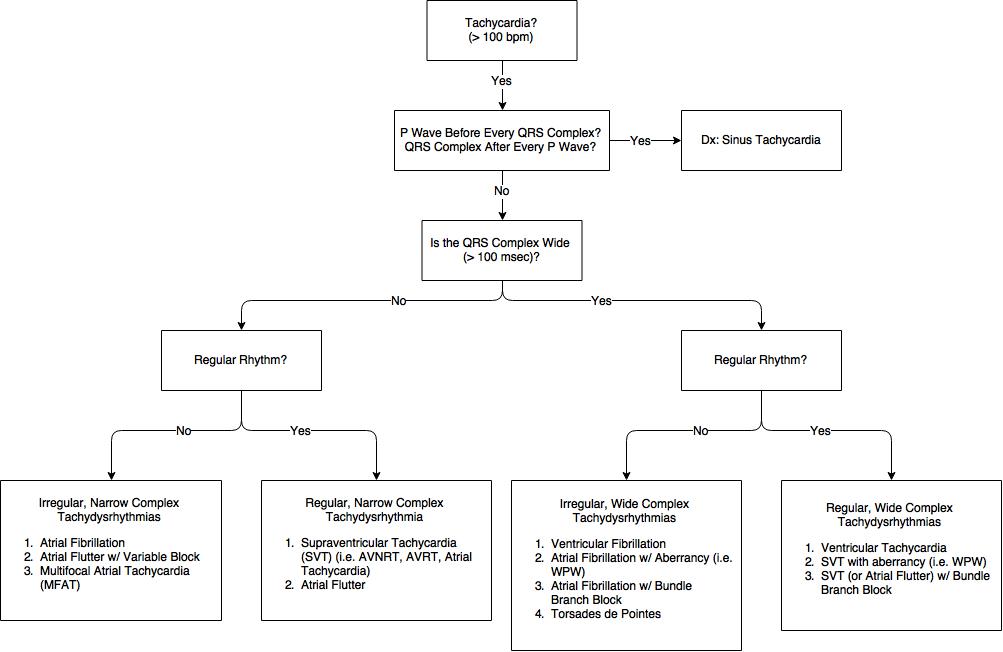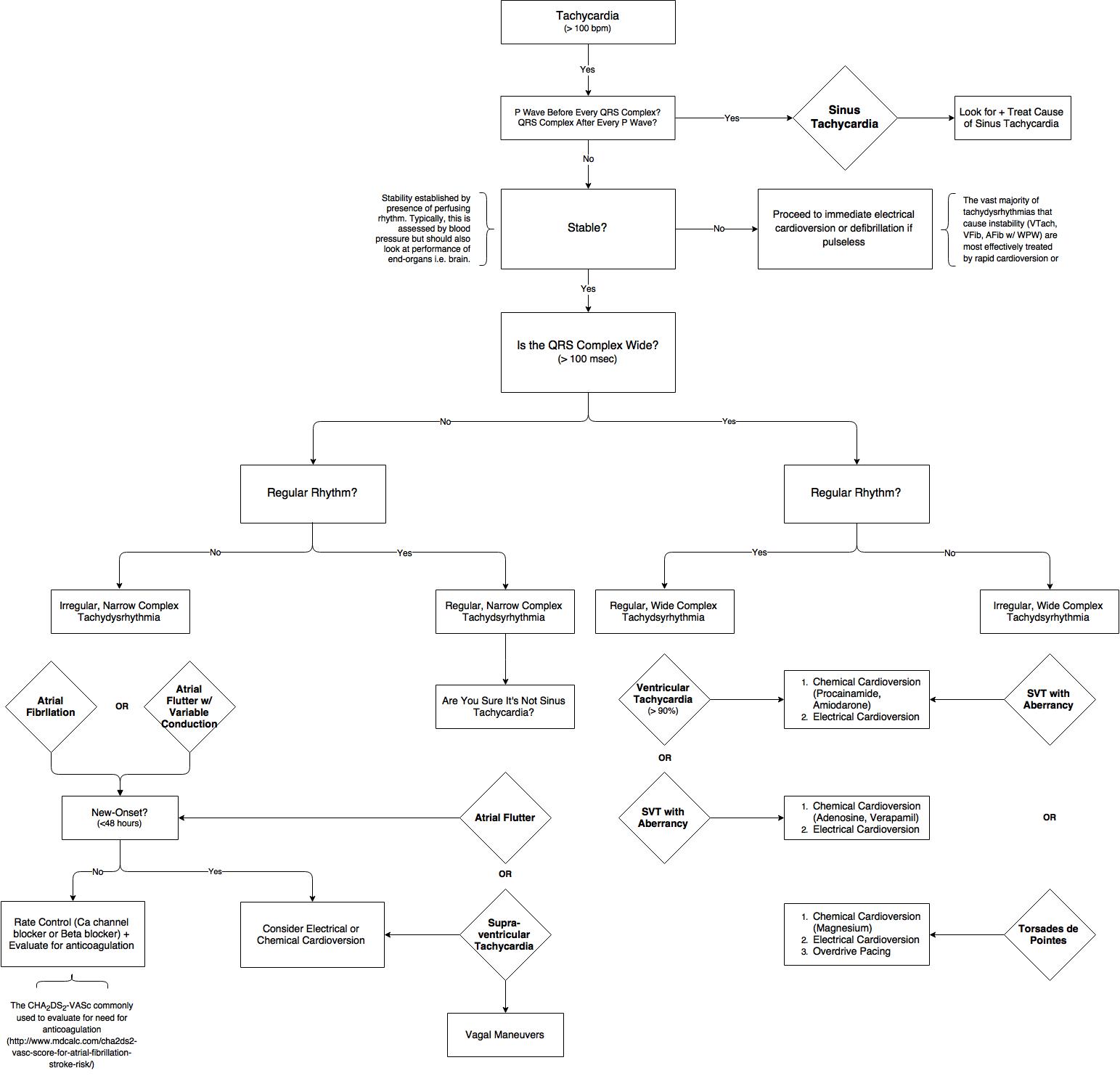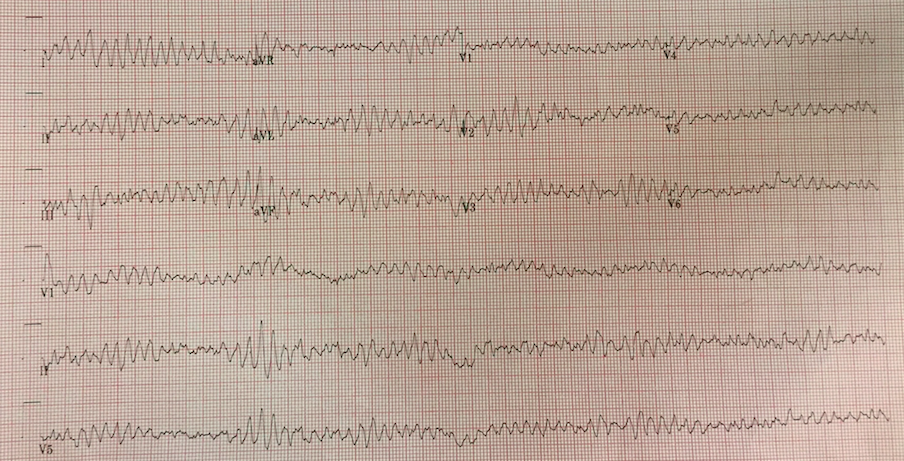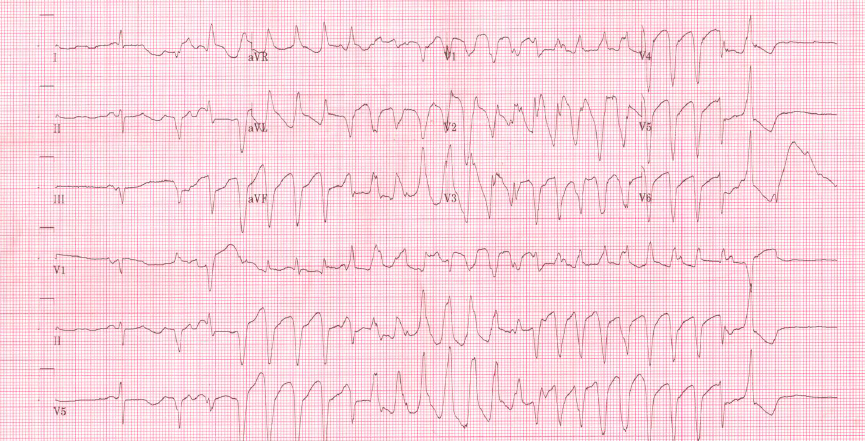
This week, we review a simplified approach to determining the rhythm on an EKG with a tachydysrhythmia.

 Core EM - Emergency Medicine Podcast
 Episode 88.0 – Simplified Approach to Tachydysrhythmias
8 snips
Mar 13, 2017 Learn a simplified method for tackling tachydysrhythmias by categorizing rhythms into four distinct boxes. Discover how to quickly differentiate between narrow and wide QRS complexes, and identify key rhythms like atrial fibrillation and ventricular tachycardia. Explore life-threatening conditions and the urgent treatments required for irregular rhythms. Anand emphasizes the importance of assuming VT for wide and regular rhythms and shares valuable resources for deeper understanding.
AI Snips
Chapters
Transcript
Episode notes
Inspiration From Mel Herbert
- Anand credits Mel Herbert's 2008 MRAP lecture as the origin of this simplified approach.
- He says that Herbert's talk inspired his interest in medical education.
Quick Two-Step Triage For Tachycardia
- Quickly decide if the rhythm is sinus by checking for a P wave before every QRS and vice versa.
- If not sinus, categorize the tachycardia by QRS width and regularity to narrow diagnoses fast.
Four-Box Diagnostic Framework
- Use two binary features: QRS width (wide/narrow) and rhythm regularity (regular/irregular).
- This drops any tachydysrhythmia into one of four diagnostic boxes for quick narrowing.