LessWrong (Curated & Popular)
 "Ada Palmer: Inventing the Renaissance" by Martin Sustrik
Jan 28, 2026
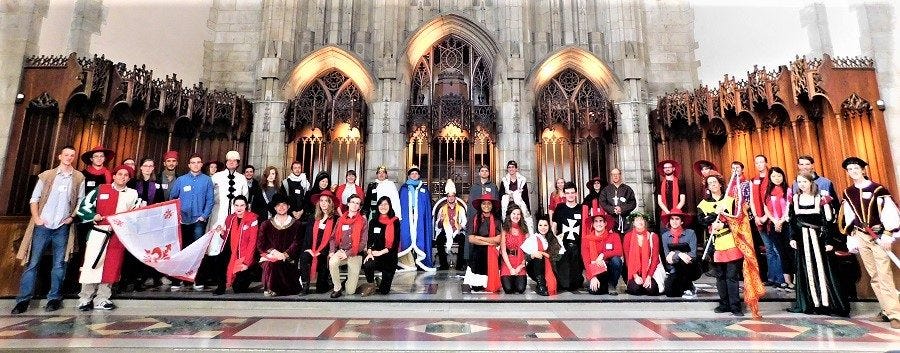
A professor stages a month-long 1492 papal election simulation to teach Machiavelli by immersion. Sixty students play historical figures with detailed character packets and chroniclers. Single actions like assassinations ripple into wildly different continental outcomes. The simulation is compared to ensemble forecasting, wargaming, and experimental history to reveal patterns amid chaos.
AI Snips
Chapters
Books
Transcript
Episode notes
Immersive Papal Election Simulation
- Ada Palmer runs a three-week simulation of the 1492 papal election with 60 students, 20 chroniclers, and 70 volunteers.
- Students embodied historical figures and learned context viscerally, so references in Machiavelli clicked emotionally.
Particulars Matter In Historical Understanding
- Palmer's students answer with saturated particulars rather than abstract principles.
- Specific actors and feuds can change outcomes when small differences cascade.
Roles, Resources, And Live Negotiations
- Students played cardinals, crowned heads, and functionaries with distinct resources like armies, relics, and artists.
- They negotiated via letters and NPC replies that advanced the simulation's politics.