LessWrong (30+ Karma)
 The Economics of Replacing Call Center Workers With AIs
Nov 26, 2025
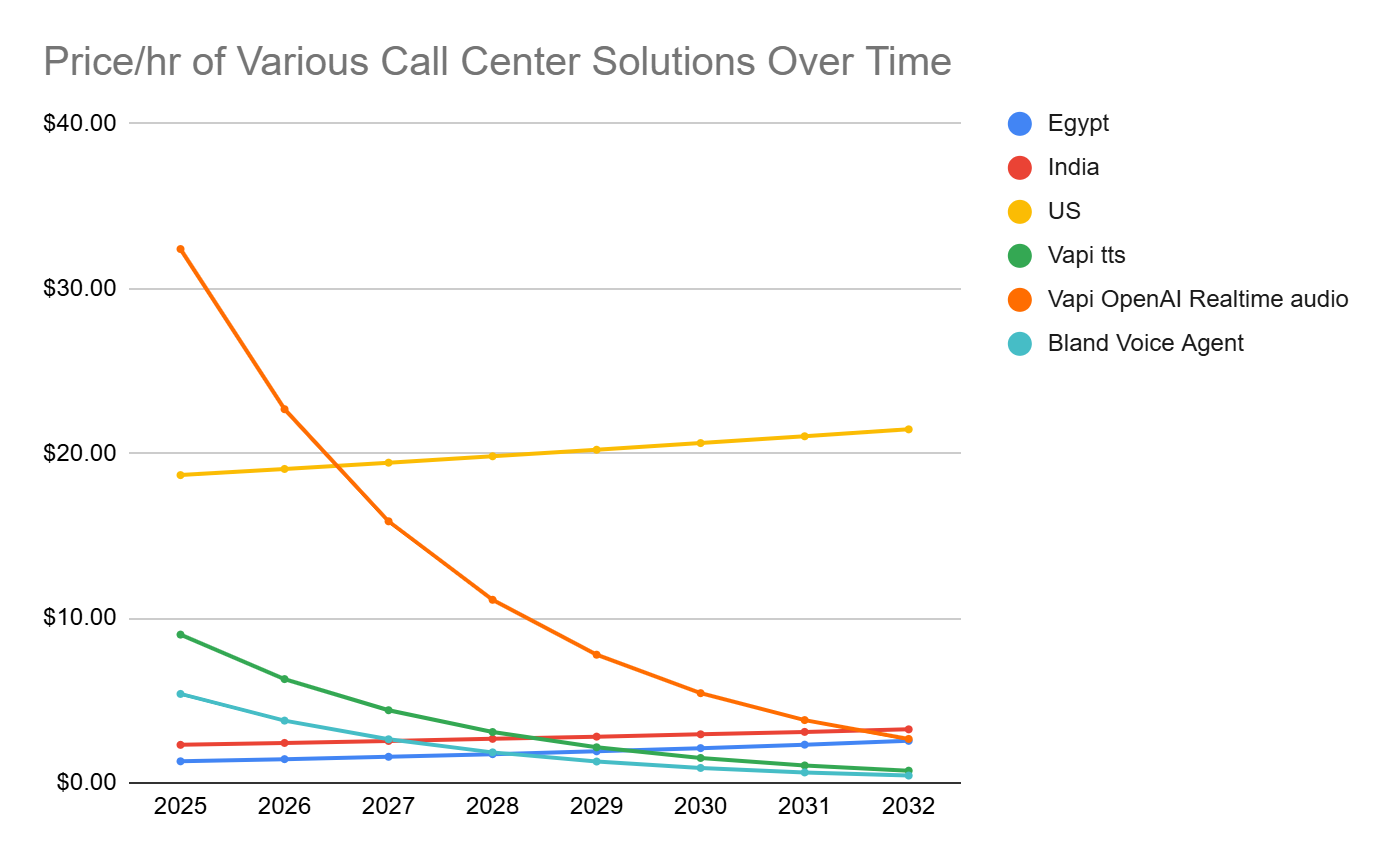
Voice AIs in 2025 may not be the cost-saving solution many expect. The podcast explores three types of companies in the voice AI industry, highlighting hidden cost intricacies. It dives into the technology behind speech-to-text and text-to-speech but reveals that human call center workers often remain cheaper. The host discusses the limitations of current pricing models and projects that true cost parity with human labor might not happen until 2030. Starting a voice-agent company now requires careful niche selection and considerable investment.
AI Snips
Chapters
Transcript
Episode notes
Voice Agent Startup Reality Check
- A friend runs a Canadian voice-agent startup that books walk-in clinic appointments by calling and using the EMR.
- In reality, the startup barely charges above cost and margins are brutal despite the theoretical upside.
Stack Costs Add Up Quickly
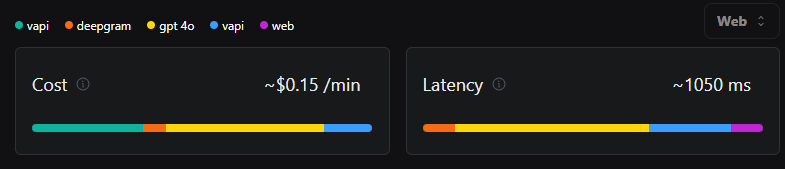
- A typical voice stack combines STT, an LLM, and TTS plus transport latency, producing meaningful per-minute costs.
- The example stack's raw minimum cost is about $0.15 per minute before other overheads.
API Rates Vary Widely
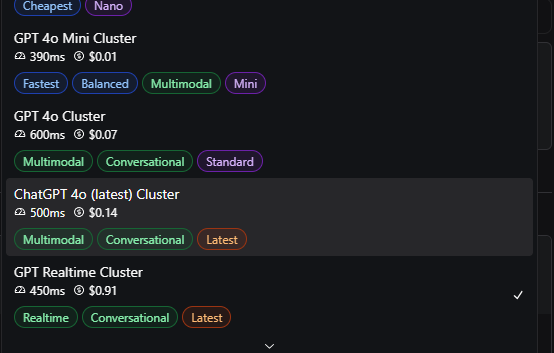
- Some providers (e.g., OpenAI) charge much higher direct audio-to-audio rates, sometimes ~$0.53–$0.91 per minute.
- Real API pricing can differ from published numbers and materially change economics.