This week we talk about priapism focusing on emergency department management.

 Core EM - Emergency Medicine Podcast
 Episode 103.0 – Priapism
6 snips
Jun 26, 2017 Dive into the intriguing world of priapism, from its definition to emergency management strategies. Learn about the crucial differences between low-flow and high-flow priapism, including their unique causes and pain levels. Discover vital initial steps in the emergency department, like hydration and effective analgesia. Hear about noninvasive treatments like warm compresses and the role of terbutaline. Finally, explore the techniques for aspiration and when to call in urology for further assistance. A must-listen for anyone in emergency medicine!
AI Snips
Chapters
Transcript
Episode notes
Priapism As Penile Compartment Syndrome
- Priapism is a prolonged, pathologic erection lasting four hours or more and acts like a compartment syndrome of the penis.
- Low-flow (ischemic) is common and painful, while high-flow is rarer and often painless from arterial inflow.
Begin With Supportive Measures Quickly
- Start with basic supportive measures: give IV crystalloids and consider warm compresses to improve flow.
- Try terbutaline orally or subcutaneously but do not delay definitive interventions while waiting for effect.
Use Dorsal Penile Nerve Block For Analgesia
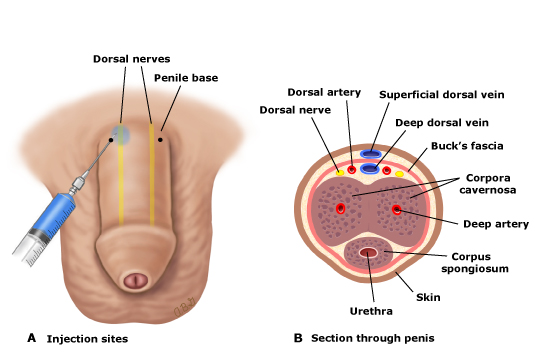
- Provide adequate analgesia early to enable procedures by performing a dorsal penile nerve block.
- Use landmark or ultrasound guidance since systemic opioids are often ineffective.