

 Discerning Hearts - Catholic Podcasts
 VEC12 – Nestorius – Villains of the Early Church with Mike Aquilina – Discerning Hearts Podcast
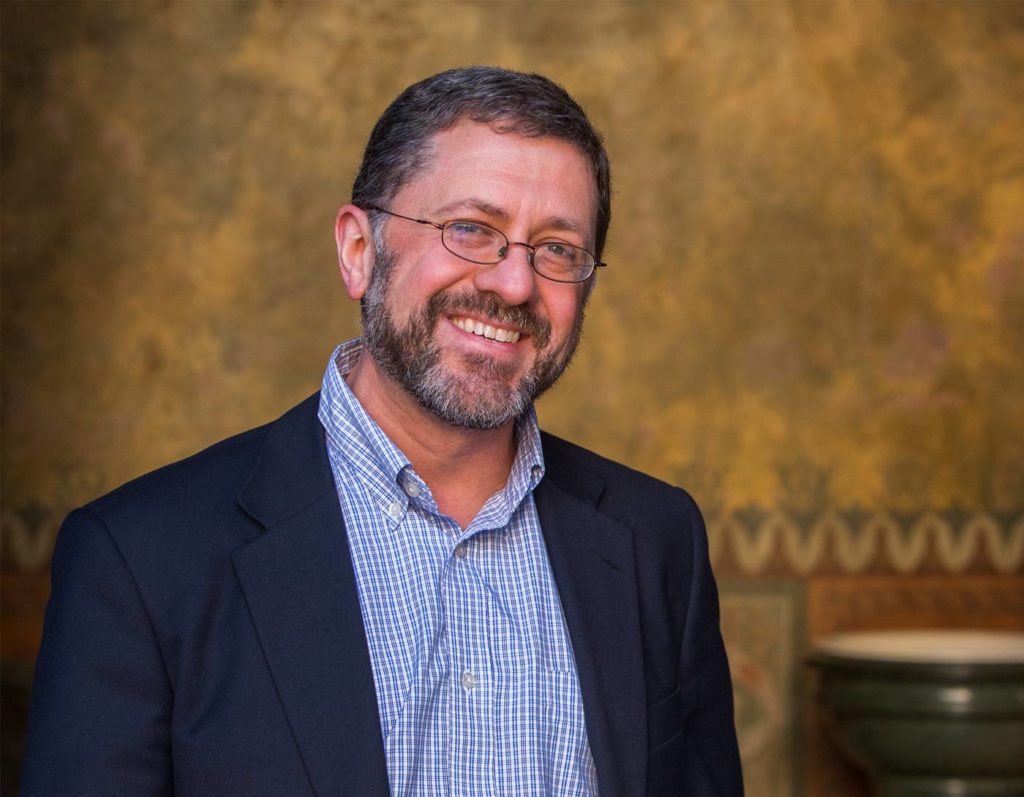 Episode 12 – Nestorius – Villains of the Early Church with Mike Aquilina
Mike Aquilina discusses Nestorius as a tragic and almost darkly comic figure whose early success as a learned monk did not prepare him for leadership in Constantinople. His rigid personality, discomfort with women, and obsession with linguistic precision shaped his rejection of the title Theotokos (“Mother of God”) for Mary. What he considered logical correction instead unsettled ordinary Christian practice, clashed with long-standing prayer and devotion, and provoked resistance from both the people and influential figures in the imperial court. His attempts to curb women’s visibility in church life further alienated the city and deepened opposition from other bishops, who began to recognize that his teaching raised serious concerns about the identity of Christ himself.
The conflict culminated in the Council of Ephesus, where the issue of Mary’s title revealed a deeper question about whether Jesus is fully God. St. Cyril of Alexandria successfully argued that denying Mary as Mother of God undermined Christ’s divinity, and the council affirmed the traditional language rooted in centuries of worship. The decision was celebrated publicly with hymns and processions, while Nestorius was deposed, exiled, and eventually formed a separate community beyond the empire. Such crises unfold over long periods and flawed individuals can still prompt doctrinal clarity. Holiness, perseverance, and lived witness remain the most powerful responses to error and division in every age.
Discerning Hearts Reflection Questions
- How do Nestorius’s personality traits and formation as a monk reveal the importance of humility and self-awareness in leadership within the Church?
- What does the controversy over the title Mother of God teach about the connection between devotion, doctrine, and daily prayer?
- How can resistance from ordinary Christians help safeguard the faith handed down through generations?
- In what ways does Marian teaching shape a deeper understanding of who Jesus is?
- How does the Council of Ephesus show the Church discerning truth through conflict rather than avoiding it?
- What lessons can be drawn from how pride and rigidity can distort good intentions?
- How does the public celebration of the council’s decision reflect the unity between worship and belief?
- What does this episode suggest about enduring long periods of confusion or trial within the Church?
- How does the call to holiness in everyday life serve as a response to error and division?
- In what ways can personal example either strengthen or weaken the Church’s witness in the world today?
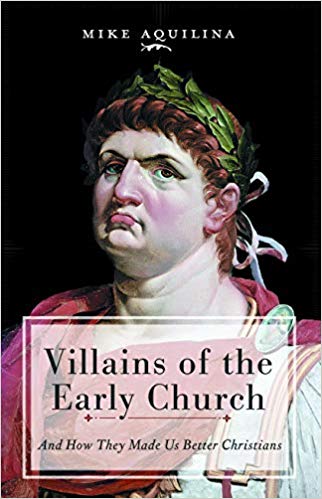
An excerpt from Villains of the Early Church
“We’ve been having an argument with these other people, the monks explained. We say that Mary is rightly called Mother of God—in Greek, Theotokos. But these other people say it’s not right to call her anything but Mother of the Man—Anthropotokos. Which of us is right?
Nestorius was delighted with the opportunity to show off his erudition. His answer probably struck him as very clever and evenhanded. In a way, he said, you’re both right. Each of those names can be used for Mary in a loose and imprecise way. But technically the proper term would be Mother of the Christ—Christotokos. If you want to be accurate, you’ll avoid calling her anything else.3
Thus, Constantinople was first introduced to that little word “technically”—in Greek, akribos—which the world would soon learn was one of Nestorius’ very favorite terms when he was arguing with people. It revealed a lot about the way he thought. The problem with most people, Nestorius seemed to believe, was that they didn’t choose their terms carefully enough. When you’re talking about important issues of theology, you need to be very precise in your language.
The problem with Nestorius, thought practically everybody else in Constantinople, was that he had just said Mary wasn’t Mother of God.
The people of the city instantly latched onto that little word “technically” as representing everything they hated about Nestorius. “If Mary is not technically the Mother of God,” they said, “then her Son is not technically God.”4 Mary had always been called Mother of God, as long as anybody could remember. The city—the whole Empire—was devoted to the Blessed Virgin. What was wrong with this new archbishop?
“He seemed afraid of the word Theotokos,” Socrates recalled, “as if it were some frightful ghost.”5 In the opinion of Socrates and many others, the problem wasn’t loose language on the part of the great majority of Christians. The problem was that Nestorius didn’t know what he was talking about. “The baseless fear he showed on this subject merely demonstrated how very ignorant he was. He was naturally a fluent speaker, so people thought he must be well educated. But actually he was disgracefully illiterate.” Socrates thought that Nestorius not only didn’t know what the great Christian writers before him had written on these subjects, but also didn’t care. He was smarter than they were. He could work things out for himself.6
Well, if Nestorius didn’t know what the great Christians of earlier generations had taught, it was about time somebody told him. Enter the Bishop of Alexandria.”
Aquilina, Mike. Villains of the Early Church: And How They Made Us Better Christians. Emmaus Road Publishing. Kindle Edition.
You can find the book on which this series is based here.
For more episodes in the Villians of the Early Church podcast visit here – Villains of the Early Church – Discerning Hearts Podcast
Mike Aquilina is a popular author working in the area of Church history, especially patristics, the study of the early Church Fathers.[1] He is the executive vice-president and trustee of the St. Paul Center for Biblical Theology, a Roman Catholic research center based in Steubenville, Ohio. He is a contributing editor of Angelus (magazine) and general editor of the Reclaiming Catholic History Series from Ave Maria Press. He is the author or editor of more than fifty books, including The Fathers of the Church (2006); The Mass of the Early Christians (2007); Living the Mysteries (2003); and What Catholics Believe(1999). He has hosted eleven television series on the Eternal Word Television Network and is a frequent guest commentator on Catholic radio.
Mike Aquilina’s website is found at fathersofthechurch.com
The post VEC12 – Nestorius – Villains of the Early Church with Mike Aquilina – Discerning Hearts Podcast appeared first on Discerning Hearts Catholic Podcasts.