Radiolab
 Fertility Cliff
114 snips
Dec 26, 2025 A deep dive into the myth of the 'fertility cliff' reveals surprising truths about the age of 35. Molly Webster explores a notorious graph that misrepresents fertility decline, supported by misleading clinic data. Research from Denmark indicates a more gradual decline, debunking the abrupt drop narrative. Discussions on updated conception rates and the term 'advanced maternal age' offer a fresh perspective, while insights into male fertility show age impacts both genders—but at different rates. An eye-opening look at fertility that challenges common assumptions!
AI Snips
Chapters
Transcript
Episode notes
35 Kept Coming Up In Personal Stories
- Molly Webster recounts dozens of conversations where the number 35 repeatedly came up as a fertility deadline.
- These personal stories drove her to investigate whether a real "fertility cliff" exists.
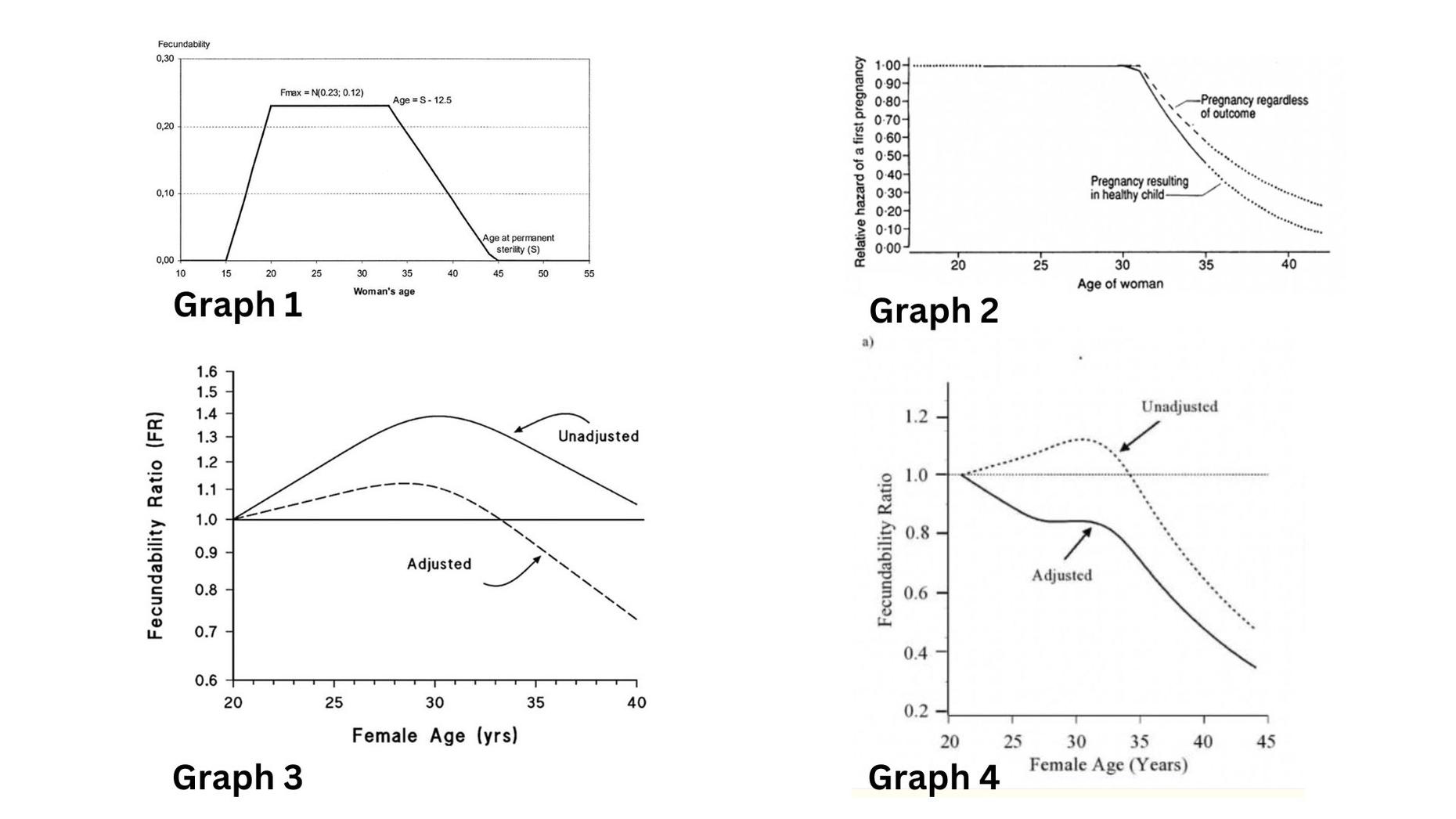
The Famous Cliff Came From Flawed Data
- A widely circulated 2004 graph showing a sharp fertility drop is based on weak, non-representative data.
- That "cliff" image relied on historical and clinic-based samples, not general populations.
Danish Data Shows A Gentle Decline
- Lauren Wise's Danish cohort showed fertility declines gradually rather than collapsing at 35.
- Women 35–40 had about a 72% chance of conception within one year, close to younger groups.