

DOS#6 The Fourth Rule – Discernment of Spirits w/ Fr. Timothy Gallagher – Discerning Hearts Podcasts
Discernment of Spirits with Fr. Timothy Gallagher - Discerning Hearts Catholic Podcasts
Ignatius' Fourth Rule of Spiritual Consolation
Father Timothy Gallagher: Most of us can pretty accurately assume that the heaviness of heart that we feel is going to be spiritual desolation. He says only some are called to the dark night in a precise sense that Mother Teresa went through it. Father Gallagher: When thoughts arise in time of spiritual desolation, they are always to be rejected.
The 14 Rules of the Discernment of Spirits with Fr. Timothy Gallagher with Kris McGregor
Episode Six: Rule Four – Understanding Spiritual Desolation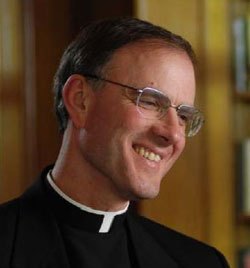
Episode 6 -The Fourth Rule:
Of Spiritual Desolation. I call desolation all the contrary of the third rule, such as darkness of soul, disturbance in it, movement to things low and earthly, the unquiet of different agitations and temptations, moving to want of confidence, without hope, without love, when one finds oneself all lazy, tepid, sad, and as if separated from his Creator and Lord.
Because, as consolation is contrary to desolation, in the same way the thoughts which come from consolation are contrary to the thoughts which come from desolation.
Episode Six of The Discernment of Spirits: Setting the Captives Free turns to Rule Four, which addresses the experience St. Ignatius of Loyola calls spiritual desolation. Fr. Timothy Gallagher, in conversation with Kris McGregor, explains why this rule is one of the most valuable and practical teachings in Ignatian discernment.
Fr. Gallagher begins by naming spiritual desolation as the direct opposite of spiritual consolation. Where consolation lifts the heart, desolation weighs it down. Ignatius describes it through lived experience rather than abstract definition. Spiritual desolation includes darkness of soul, interior disturbance, confusion, sadness, and a loss of confidence, hope, and love. The heart feels heavy. God feels distant. Prayer feels empty.
To make this concrete, Fr. Gallagher shares the story of Alice. She is a woman who loves the Lord and has served faithfully in her parish for years. After moving to a new town, she struggles to connect in her new parish. Over time, discouragement grows. In prayer, she feels abandoned by God. Though she remains faithful, everything feels hopeless and meaningless. This lived experience captures what Ignatius means by spiritual desolation.
Fr. Gallagher carefully distinguishes spiritual desolation from non-spiritual desolation. Non-spiritual desolation may arise from physical exhaustion, emotional strain, anxiety, or depression. These experiences are part of ordinary human life. Yet Ignatius warns that when non-spiritual desolation becomes excessive or prolonged, it easily spills into the spiritual life. Fatigue, imbalance, and emotional heaviness can weaken prayer and openness to grace.
Because of this, Fr. Gallagher stresses the importance of wise care for the whole person. Attention to rest, balance, and physical well-being often resolves struggles that appear spiritual. He recalls the wisdom of St. Teresa of Avila, who once advised a sister struggling in prayer to sleep more. Caring for the human dimension strengthens the spiritual life.
Ignatius then describes the specific signs of spiritual desolation. These include confusion, anxiety, a pull toward lower and earthly distractions, and a desire to abandon prayer and spiritual practices. Activities once loved become burdensome. The heart feels slothful, tepid, and sad. Above all, the person feels as if separated from God. Fr. Gallagher highlights Ignatius’s careful wording. God is not absent. The feeling of abandonment is real, but it is not true.
This sense of isolation is the deepest lie of spiritual desolation. The enemy seeks to convince the heart that it is alone and powerless. Fr. Gallagher explains that recognizing this lie is the beginning of freedom. No saint has been spared from such experiences. Growth comes not from avoiding desolation, but from understanding it and responding wisely.
Fr. Gallagher clarifies an important distinction. Spiritual desolation is not the same as the dark night described by St. John of the Cross. The dark night is a purifying work of God in prayer and must be accepted with trust. Spiritual desolation, by contrast, is always a work of the enemy. God never gives spiritual desolation. He permits it. Therefore, the correct response is always to reject it.
The episode concludes by returning to Ignatius’s central teaching. The thoughts that arise in consolation and desolation are always contrary. When discouraging thoughts arise in desolation, they must not be trusted. When they are recognized and rejected, the heart regains freedom. Discernment restores hope. Captives are set free.
Discerning Hearts Questions for Reflection and Study
Personal Reflection
-
Can you recognize times when discouragement affected your prayer or desire to serve?
-
How do you experience heaviness of heart in your relationship with God?
-
Are there non-spiritual factors that may influence your spiritual life right now?
-
Have you noticed a pull toward distractions during difficult moments of prayer?
-
How does knowing that desolation is a lie change the way you respond to it?
Group Reflection or Study
-
Why does Ignatius consider teaching on spiritual desolation so important?
-
How does the story of Alice help clarify Rule Four?
-
Why is it important to distinguish spiritual from non-spiritual desolation?
-
What dangers arise when decisions are made during times of desolation?
-
How does this rule bring hope to those facing discouragement in parish life?
 For the other episodes in this series visit Fr. Timothy Gallagher’s “Discerning Hearts”click here


Father Timothy M. Gallagher, O.M.V., was ordained in 1979 as a member of the Oblates of the Virgin Mary, a religious community dedicated to retreats and spiritual formation according to the Spiritual Exercises of St. Ignatius. Fr. Gallagher is featured on the EWTN series “Living the Discerning Life: The Spiritual Teachings of St. Ignatius of Loyola”
The post DOS#6 The Fourth Rule – Discernment of Spirits w/ Fr. Timothy Gallagher – Discerning Hearts Podcasts appeared first on Discerning Hearts Catholic Podcasts.
The AI-powered Podcast Player

